The Lampert Institute seeks to bridge the University to a global community of practitioners and policy experts whose interests converge with the institute’s areas of inquiry. Towards that end, it invites a select number of Nonresident Fellows every year to engage with students and faculty on campus.
Fellows from the public and private sectors can participate in a variety of activities during their visits to campus: teach classes on their areas of expertise, give colloquia or public talks, and mentor Lampert Scholars as well as other Colgate students.
Nonresident Fellows 2026–27
Michael O’Hanlon
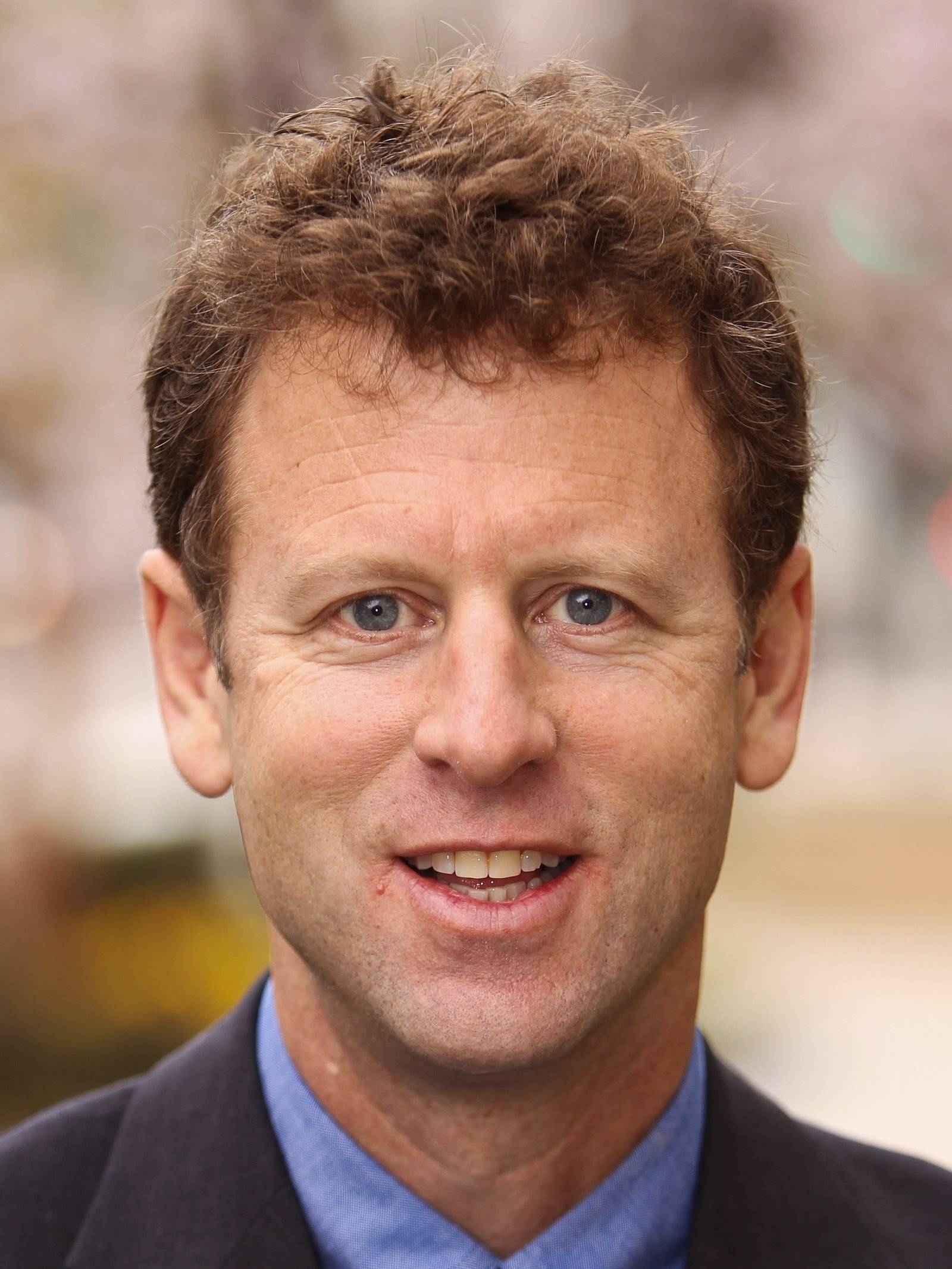
Michael O’Hanlon, a senior fellow and director of research in foreign policy at the Brookings Institution, will continue to serve as a Lampert Institute Nonresident Fellow for 2026-27.
At the Brookings Institution, O’Hanlon specializes in U.S. defense strategy, the use of military force, and American national security policy. He also directs the Strobe Talbott Center on Security, Strategy and Technology, is an adjunct professor at Columbia, Georgetown, and George Washington universities, and is a member of the International Institute for Strategic Studies.
O’Hanlon visited Colgate for a fall 2025 lecture, “Is there an American Way of War or an American Strategic ‘DNA’?,” reflections based on O’Hanlon’s book, To Dare Mighty Things: U.S. Defense Strategy Since the Revolution, and returned this spring to host a conversation with retired Army Gen. Bryan P. Fenton focused on national security.
During the 2024-25 academic year, O’Hanlon’s fall lecture focused on the “Size, Shape, and Relevance of America’s Armed Forces” and in the spring, he was joined by his colleague at the Brookings Institution, Vanda Felbab-Brown, to discuss transnational criminal networks. In previous years, O’Hanlon has addressed issues such as the relationship between economic and national security, and his perspective on global “hotspots” and how they interconnect, impacting the world at large.
O’Hanlon has also brought his expertise into the classroom during his time at Colgate, joining students this spring for a national security discussion with Gen. Fenton in Associate Professor of Political Science Bruce Rutherford’s POSC 363: International Relations of the Middle East course and Harvey Picker Professor of International Relations Fred Chernoff’s POSC 353: National Security course. Other courses O’Hanlon has visited while on campus include Associate Professor of Peace and Conflict Studies and Geography Teo Ballvé’s GEOG 304: Criminal Underworld: Drugs, Guns, Bodies course (Spring 2025), Assistant Professor of Political Science Masha Hedberg’s POSC 359: Power in Russia from Gorbachev to Putin and POSC 405: Coercive Diplomacy: Trade, Aid & Sanctions courses (Fall 2024), and Chernoff's POSC 456: War - Theories and Practices seminar (Fall 2024).
During the fall 2022 and spring 2023 semesters, O’Hanlon visited classes including Chernoff’s seminar POSC 456: War - Theories and Practices, Visiting Assistant Professor of Political Science Shaoshuang Wen’s course POSC 330: Post-Mao China and World Development, and Associate Professor of Political Science Danielle Lupton’s course, POSC 366: Contemporary American Foreign Policy.
Tom Standage
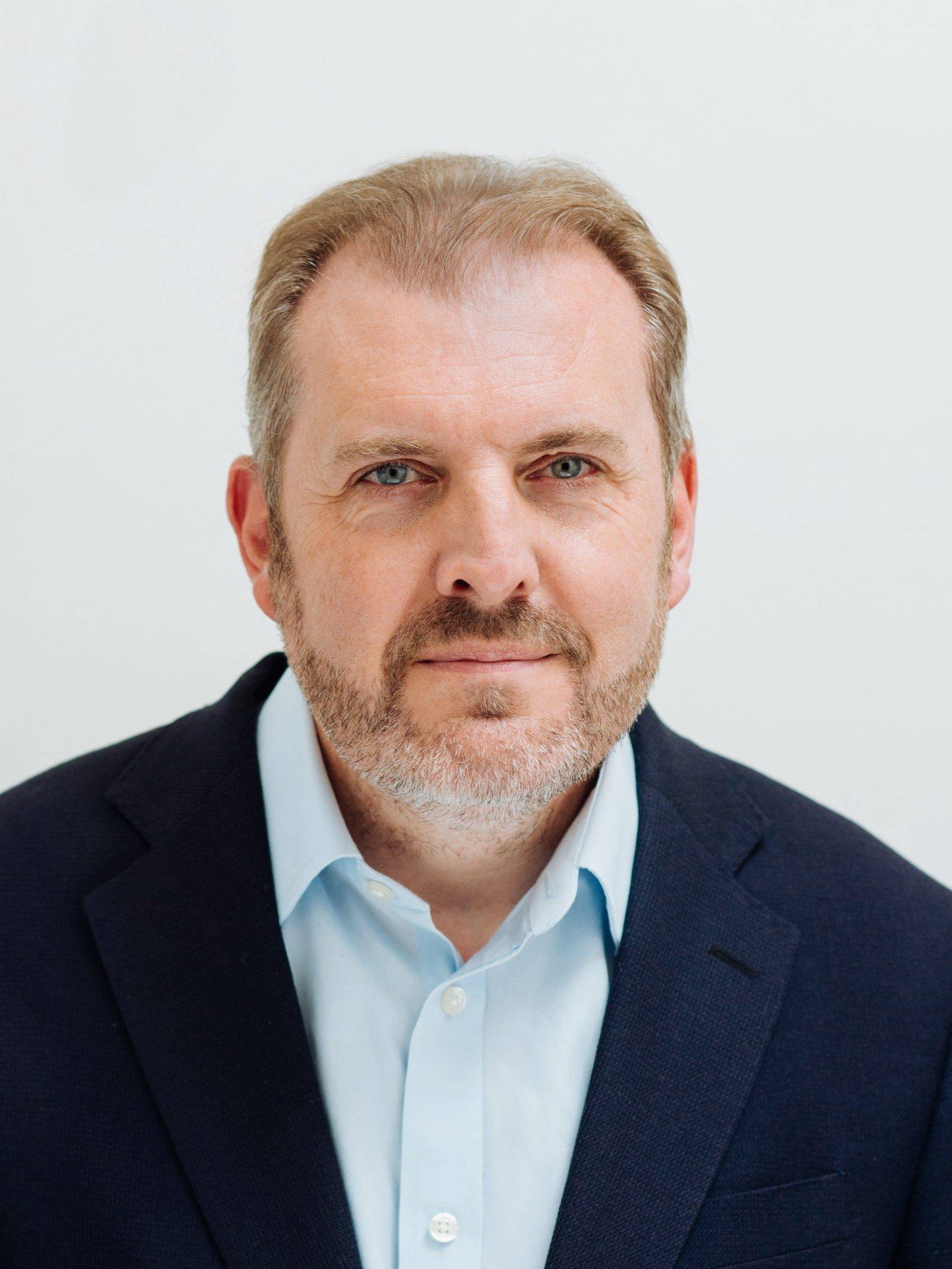
Tom Standage, deputy editor of The Economist and editor of its future-gazing annual, The World Ahead, will continue to serve as a 2026-27 Nonresident Fellow with the Lampert Institute. Standage visited Colgate Sept. 4, 2025 for a lecture and discussion, “A Preview of the World Ahead” and will return to campus for another in September 2026.
Standage has hosted students from Colgate’s London Economics Study Group for visits to The Economist since Spring 2013, showing them how staff write stories and assemble each week’s edition of the newspaper. In Fall 2025, Standage guest lectured in several courses, including Assistant Professor of Economics David Murphy’s ECON 238: Economic Development, Assistant Professor of Economics Young Park’s ECON 252: Intermediate Macroeconomics, and Assistant Professor of Economics Matthew Makofske’s FSEM “Investigative Economics.”
Standage joined The Economist as science correspondent in 1998 and was subsequently appointed technology editor, business editor, and digital editor. He is the author of seven history books, including Writing on the Wall (2013), The Victorian Internet (1998), and the New York Times bestsellers A History of the World in 6 Glasses (2005) and An Edible History of Humanity (2009). His latest book, A Brief History of Motion, was published in 2021. Standage studied engineering and computer science at Oxford University and has written for other publications, including the New York Times, the Guardian, and Wired, taking a particular interest in technology's social and historical impact.