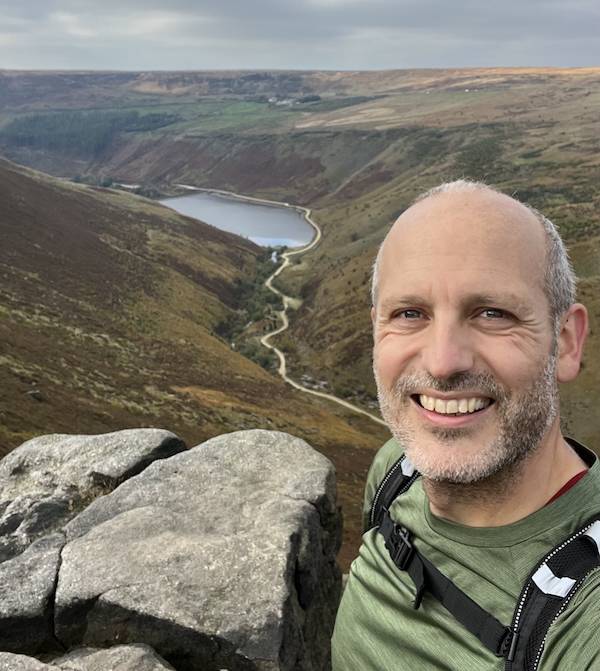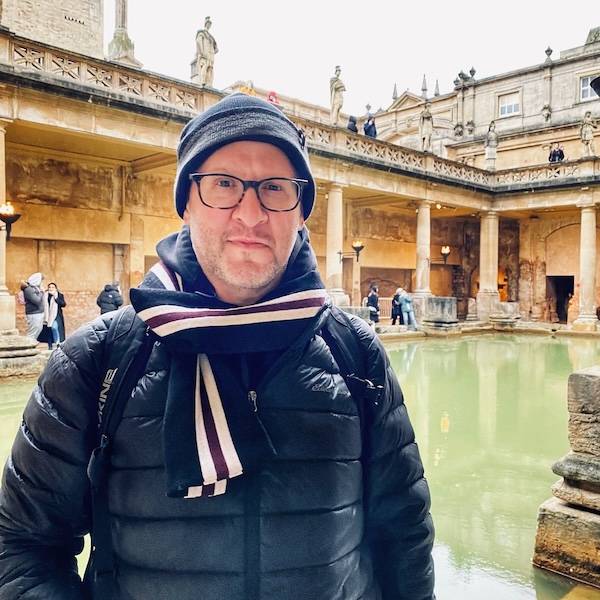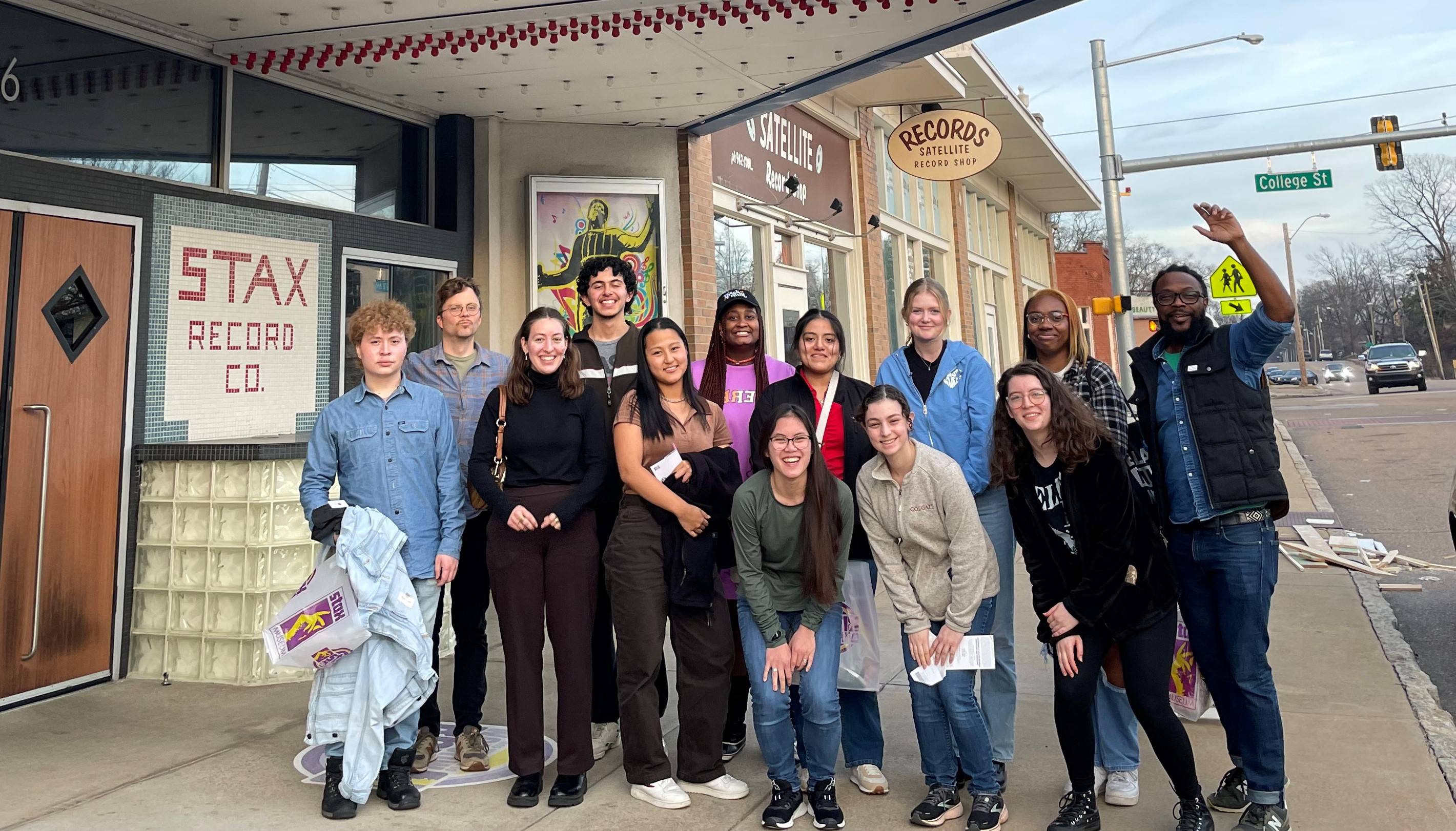
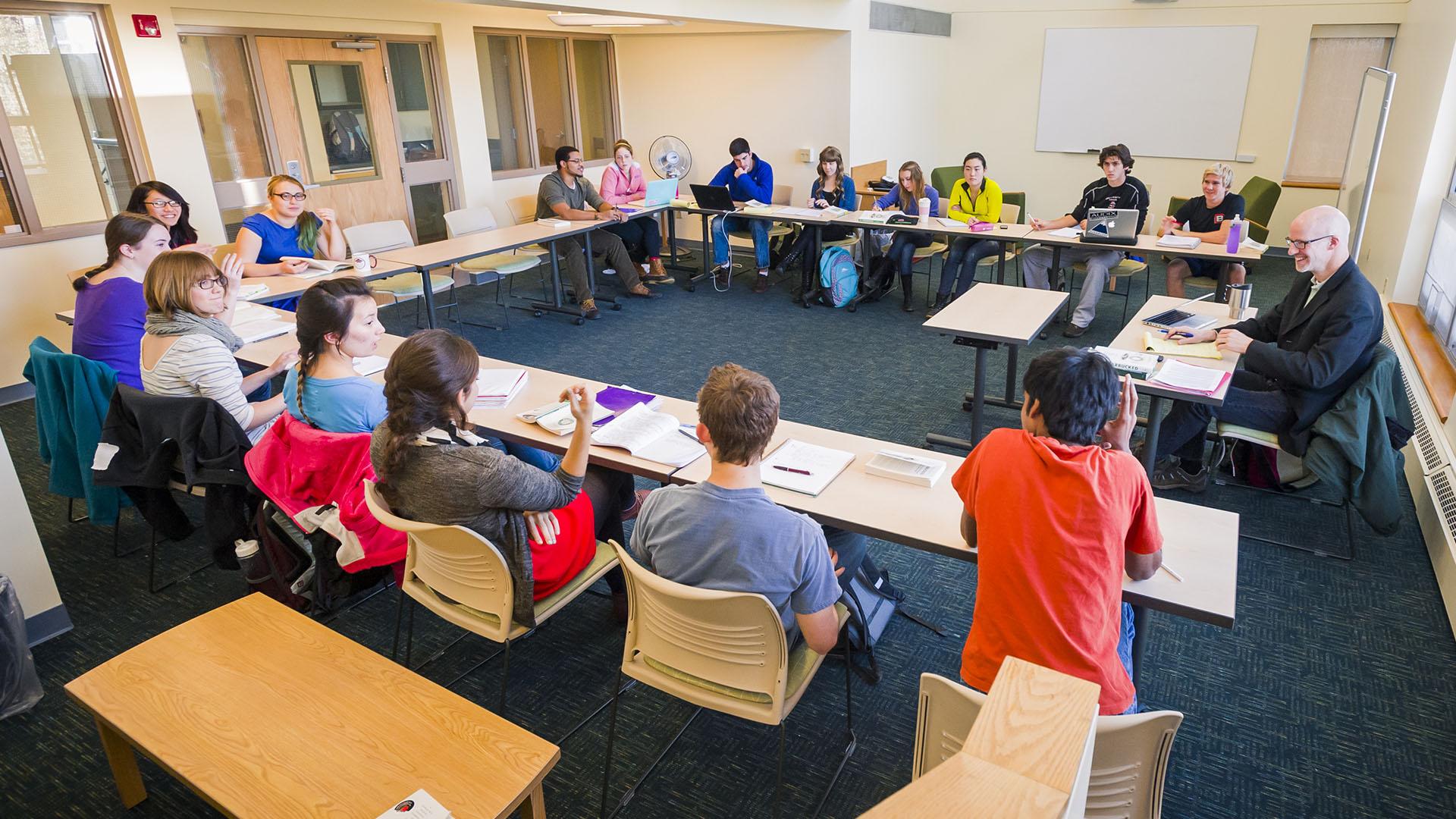
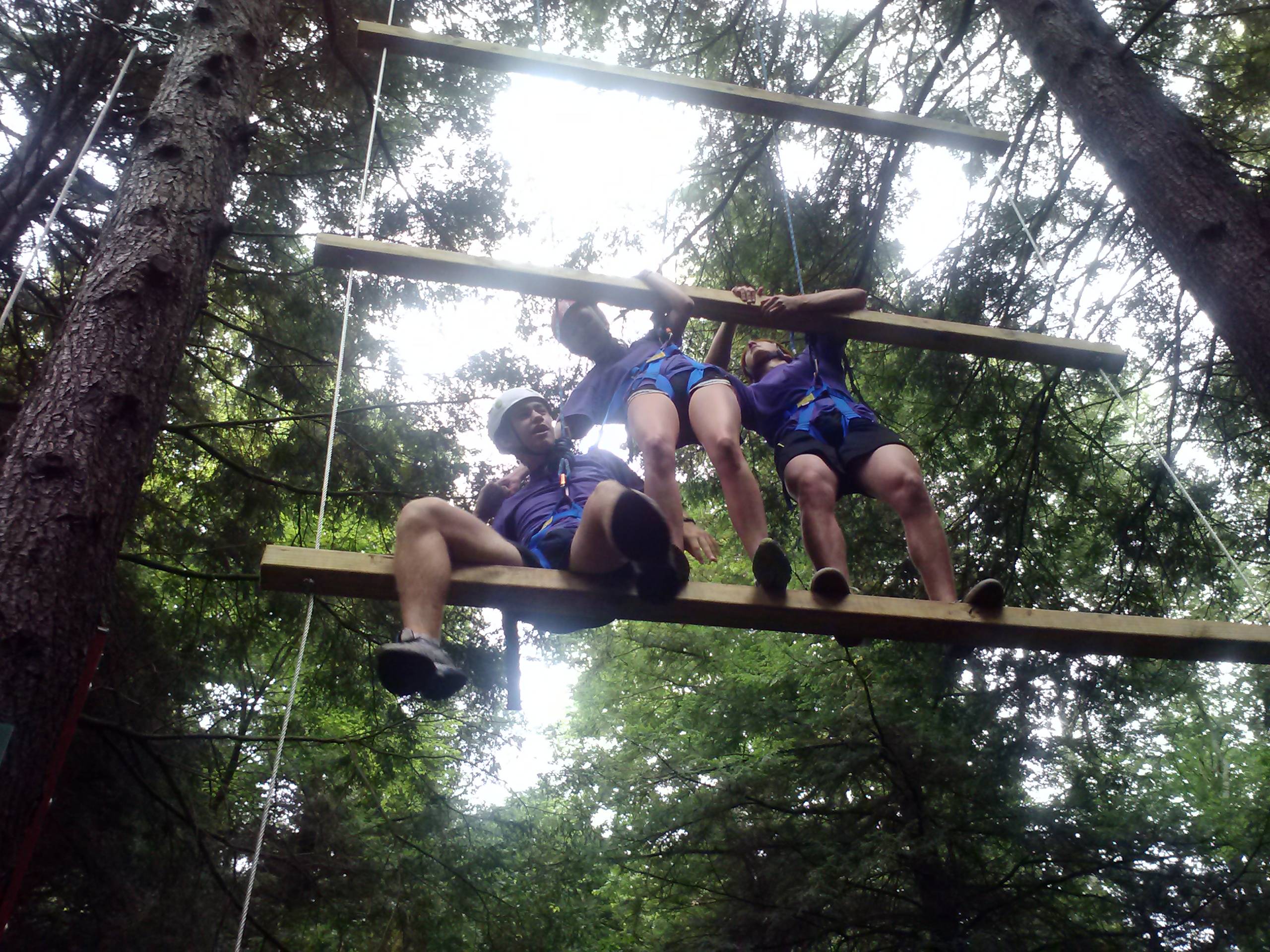
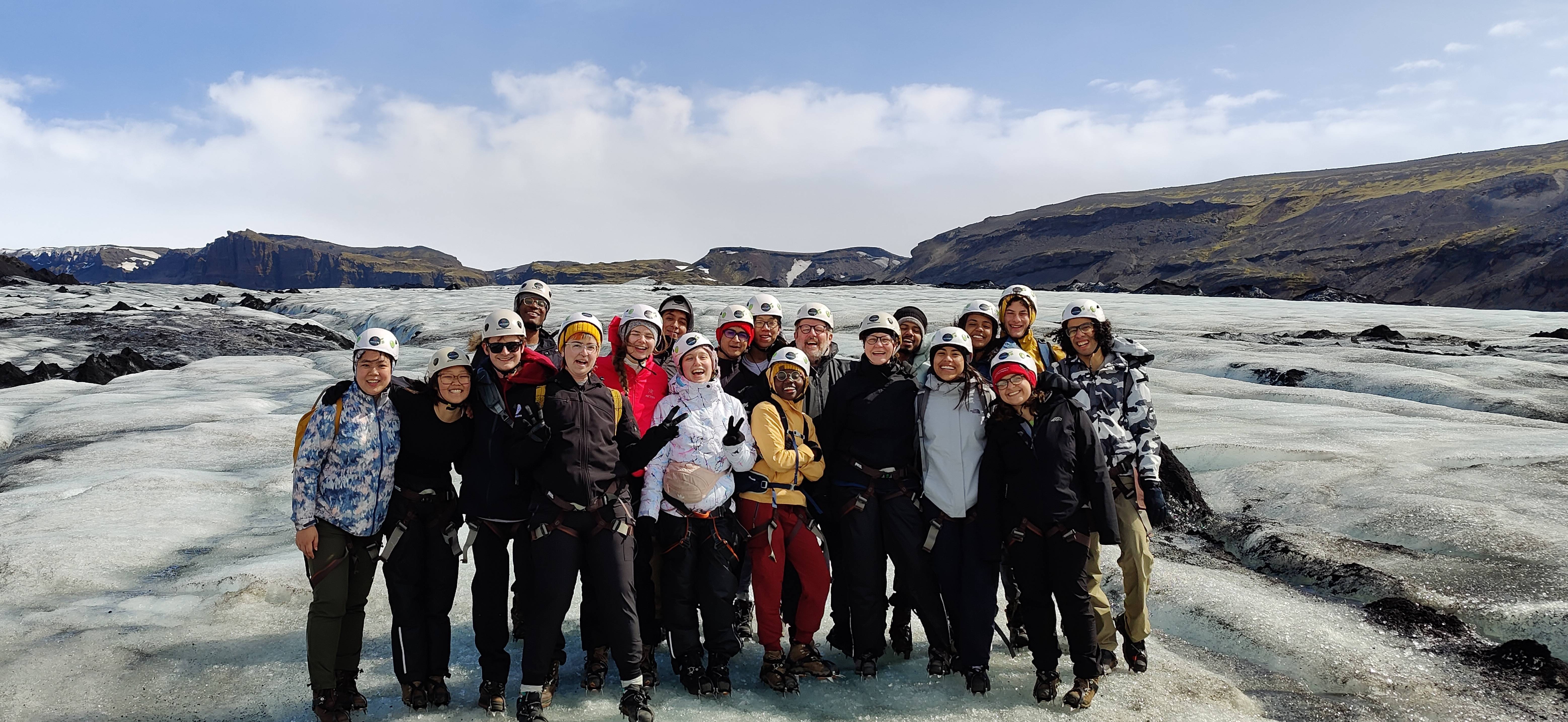
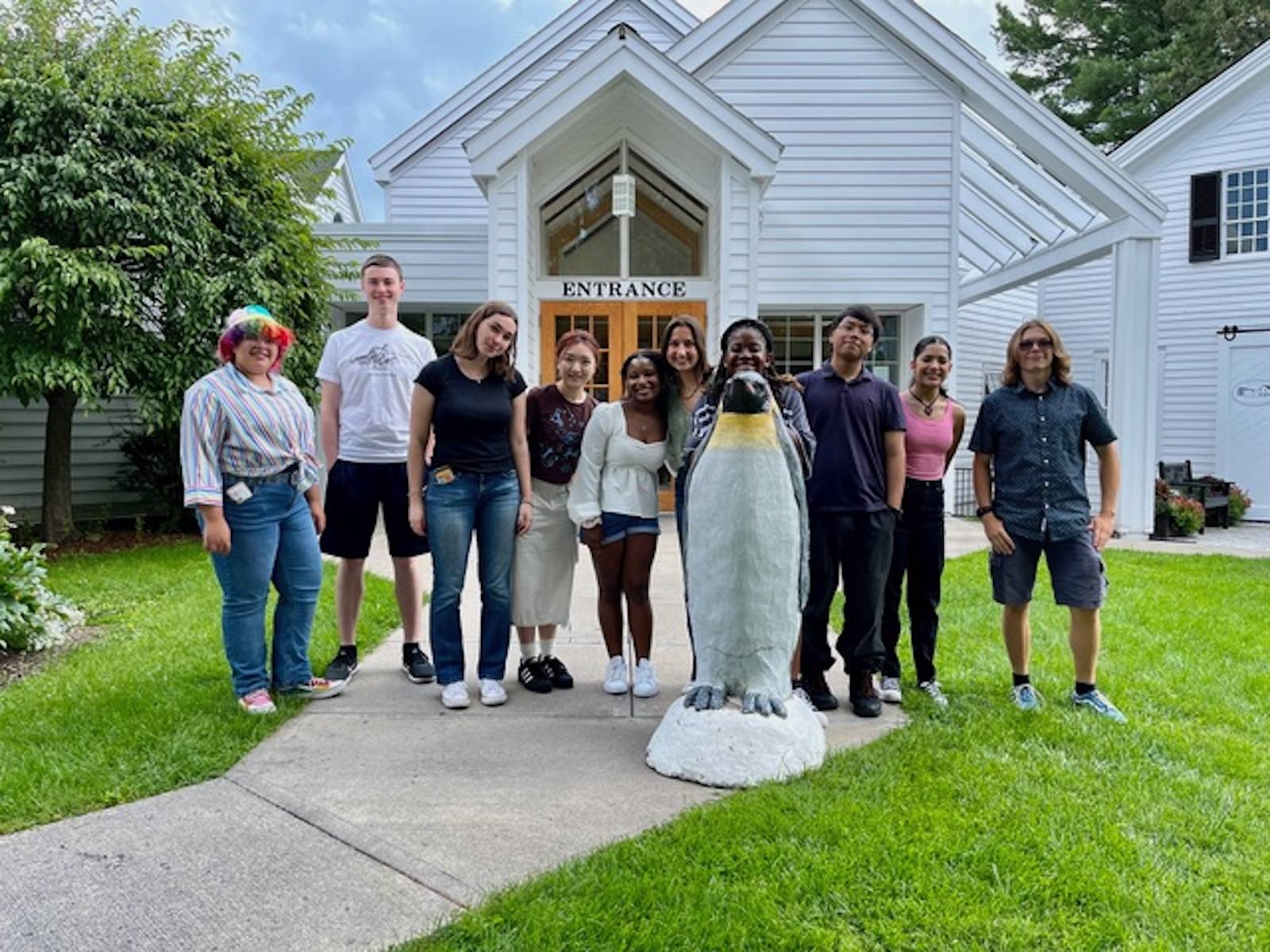
Members of the Sophomore Residential Seminar course, Race, Place, and the American South in Memphis.
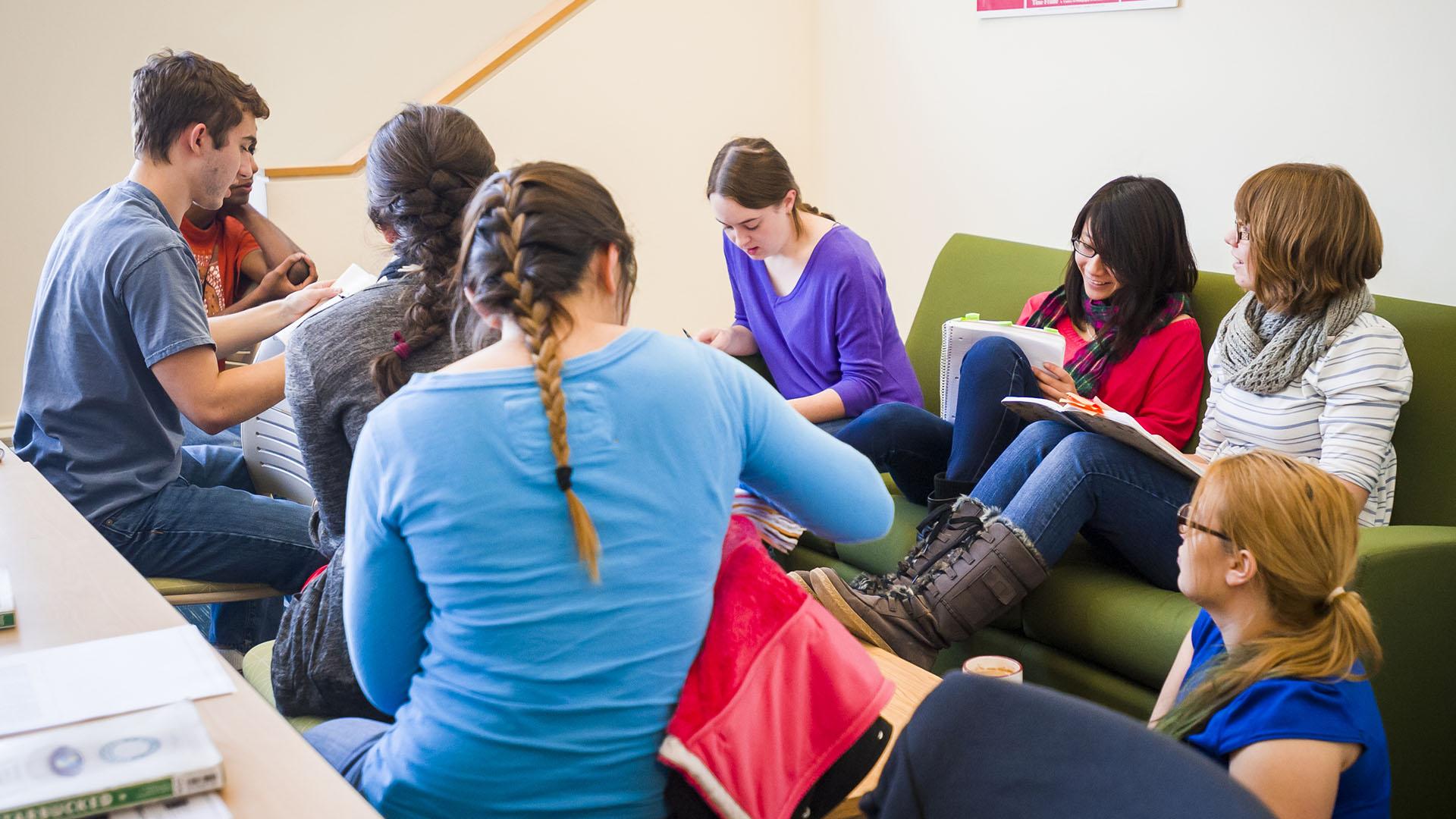
Students take advantage of a more socially and academically supportive environment.
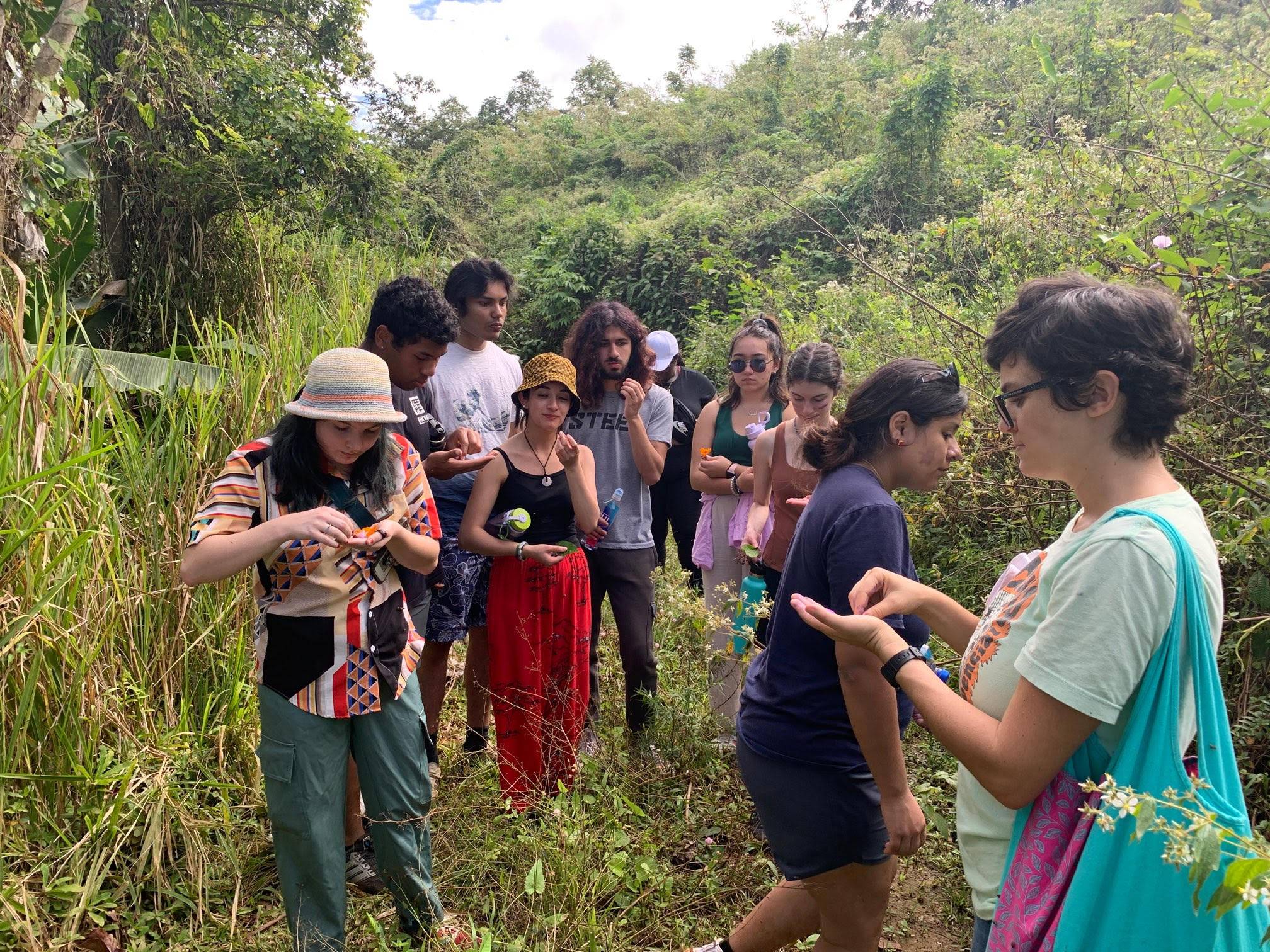
Professor Danny Barreto leads an excursion for the seminar, Puerto Rico: Queerness, Resilience, and Resistance. They toured Camp Tabonuco and gathered plants to make watercolors.
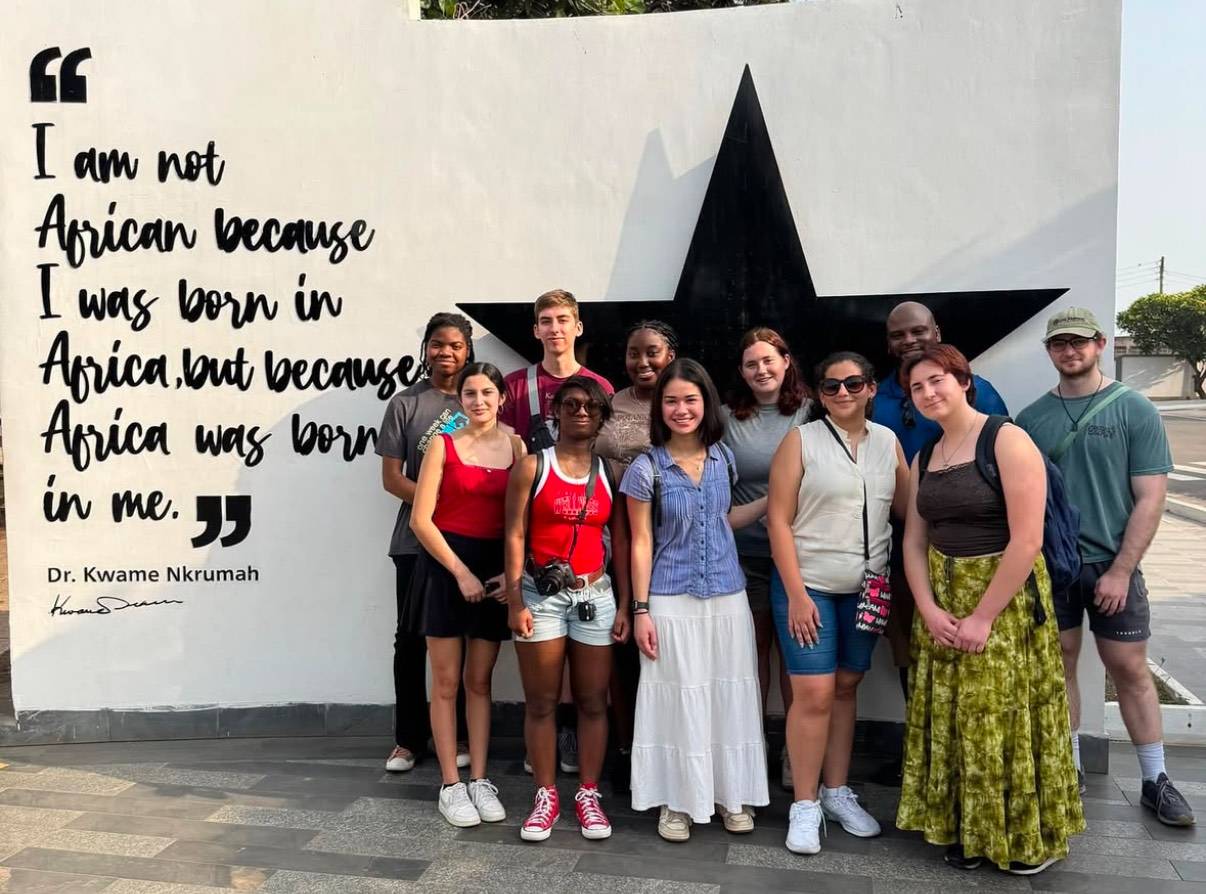
Members of Professor Dominika Koter's Africa in World Politics - Ghana
Building upon course material, SRS courses often take local day excursions. Here, Professor Karn takes SRS DC/NYC Intro to Museum Studies students to explore local museums during the semester.
Sophomore Residential Seminars are a unique and immersive living-learning experience during the sophomore year. SRS students have opportunities to build deep academic communities based on common interests and sustained interactions with SRS faculty members. The capstone experience is a 7-10 day trip in January or May that extends the academic experience out of the classroom and into the real world.
The program is a transformational series of intensive residential seminars for sophomores, initially made possible with a significant grant from the Mellon Foundation. Students who are selected will live and study together, meet regularly with the seminar professors and guest speakers in their residence hall, and engage in an embedded academic travel experience related to the course at no extra charge. Each spring, all SRS students will continue the dialogue with a one-quarter-credit course with their professor.
Applications and Acceptance
2026-2027 SRS Applications are due February 1, 2026.
Accepted students will be notified by the last week of February.
2026 - 2027 Seminars
Students examine the rise of Christianity and its diverse expressions from the first to twenty-first centuries. The first part of the course, body, explores the role of suffering, healing, violence, sexuality, gender, and death in the five centuries after Jesus’ death. The next part, blood, considers the significance of blood in Christian mysticism, voluntary death, and rituals. We also examine the role of bloodshed in promulgating the movement’s global expansion. The final part of the on-campus course considers belief, its growing importance in shaping Christian identity, from the rise of Protestantism and the Catholic Reformation to various modern social justice movements. There are no pre-requisites for this course. And no religious background is presumed.
The travel-component of this course allows students to study the beginnings of the Jesus movement in its Roman political, cultural, and religious environment, as revealed by archaeology and material culture (e.g., Roman Forum, Colosseum, Capitoline, and archaeological site of Ostia Antica and the necropolis under St. Peter’s), its expansion in the middle ages as well as the early modern period,( through church architecture from the fourth through sixteenth centuries). The course includes a one-week walking-intensive (10,000-15,000 steps/day) excursion to Rome to visit archaeological sites, monuments, and museums.
This course will have a 1 credit class in fall 2026 and .25 credit class in spring 2027. Students in this seminar will live in either Crawshaw Hall or 100 Hamilton.
More About Professor Frank
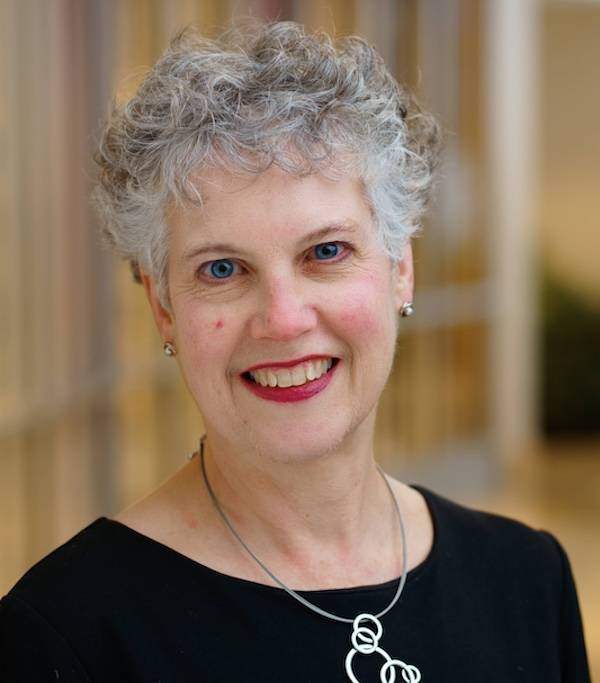
Georgia Frank teaches in the Department of Religion and is director of Chapel House Retreat Center. A scholar of Christianity in the ancient world, she focuses on the religious and social diversity of the Roman Empire as it shaped the diversity of the Jesus-movement. She has participated in archaeological research in Greece, Turkey, Egypt, and Rome. Although some histories of Christianity focus on doctrines and beliefs, Prof. Frank explores how bodies (gendered, ritual, storied, in life and in death) lived and shaped religion.
From reggaetón to curry goat, jambalaya to dembow, the steady flow of Indigenous, African, European, and Asian peoples, languages, and cultures into and among the islands and mainland coasts of the Caribbean give the region its distinct character. This interdisciplinary course will move beyond the tourist gaze to examine how and why the region has become a site of cultural, artistic, intellectual, and political innovation. Key issues we will grapple with include the legacies of colonialism, imperialism, and enslavement; historical and contemporary conversations about race, religion, migration, and resistance; concerns regarding the environment, tourism and disaster; and issues surrounding sexuality and gender identity politics in the region.
Our January study tour will use Louisiana and Puerto Rico as case studies for examining colonialism, language, identity, religion, and the environment in two historically distinct Caribbean locales. Geographically marked by the coast, bayou, and other waterways, southern Louisiana continues to be defined by its intersecting French, Creole, Cajun, and Native American cultures, born of its close historical ties to both the Caribbean region and other locations in the Americas. Puerto Rico, however, is a colony of the United States, where language and national identity are intrinsically connected to questions about sovereignty, geographic marginalization, and a sense of solidarity with the broader Caribbean. The environment is of utmost concern in both locations, be it in light of tourism, extractive industries, the aftermath of disaster, or rising temperatures and sea levels. Our course will provide us with the tools to both appreciate the cultural specificities of each location and understand the region as a whole through the lenses of pan-Caribbean intellectual, artistic, and political movements.
This course will have a 1-credit class in fall 2026 and .25 credit class in spring 2027. Students in this seminar will live in either Crawshaw Hall or 100 Hamilton.
More About Professor Humphrey
Paul Humphrey is an associate professor of LGBTQ Studies and Africana and Latin American Studies. His current research focuses on representations of African diasporic religions and cultures, gender, sexuality, and the environment in comics and fiction from the Caribbean and its diasporas. He led Colgate’s Manchester study group in fall 2024 and has directed service-learning trips to Puerto Rico in conjunction with the COVE (Max A. Shacknai Center for Outreach, Volunteerism, and Education).
Colgate is one of the few liberal arts colleges to offer a concentration (minor) in museum studies. While the museum sector was hit hard by the COVID-19 pandemic, there has been a notable recovery. According to the American Alliance of Museums, museums in the U.S. support more than 726,000 jobs and contribute $50 billion per annum to the national economy.
Beyond these statistics, museums are also a fascinating topic for intellectual inquiry. This course will introduce students to the key historical, theoretical, and practical topics that inform and comprise the fast-growing field of museum studies. Major topics include: the history museums and collecting; the function of museums in society; the ethics of collecting, including post-colonial critiques; display practices and display analysis; museums as systems/practices of knowledge; and the role of power and politics in museums. As students will learn, there is much to appreciate about museums, but also much that we ought to approach critically.
In January 2027, students will travel to Washington, D.C., and New York City to visit a range of museums and put their classroom learning into practice. There will be opportunities to meet with curators, museum educators, administrators, and other support staff at major museums, including: the Metropolitan Museum of Art, the September 11 Museum and Memorial, The American Museum of Natural History, The National Museum of American History, the National Museum of African American History and Culture, the United States Holocaust Memorial Museum, and the Smithsonian American Art Museum. We will also visit some smaller museums, e.g., The Lincoln Cottage (DC) and the Tenement Museum (NYC).
In spring 2027, as part of the .25 credit add-on class, students will participate in a unique, hands-on project that will give them an opportunity to evaluate and acquire a new work for one of Colgate’s campus museums.
The fall course is cross-listed and can be used to fulfill one of two Area of Inquiry requirements: Social Relations, Institutions, and Agents (HIST 120) or Human Thought and Expression (MUSE 120).
This course will have a 1 credit class in fall 2026 and .25 credit class in spring 2027. Students in this seminar will live in either Crawshaw Hall or 100 Hamilton.
More About Professor Karn
Alexander Karn is an associate professor of history and a founding member of Colgate’s museum studies advisory committee. His teaching and scholarship focus on the politics of history in contemporary societies and the possibilities for enacting historical justice. He teaches courses on the politics of history, transitional and historical justice, and the cultural and intellectual history of modern Europe. “Introduction to Museum Studies” is one of his regular offerings. He is the author of Amending the Past: Europe’s Holocaust Commissions and the Right to History and co-editor of Taking Wrongs Seriously: Apologies and Reconciliation. His public facing writing has appeared in Salon, The Progressive, and HuffPost. This is the second time Prof. Karn has taught in the SRS program.
How has Africa featured in World Politics? In this course we will study the political landscape of pre-colonial African kingdoms, the impact of the Transatlantic Slave Trade, European conquest of Africa, and the establishment of colonial rule. We will learn how independence was achieved and what challenges African countries have faced following independence. The course will shed light on major political conflicts, the effects of the international aid regime, and the impact of great power rivalries on the continent.
This course will include a weeklong trip to Senegal. The trip will relate to the topics of colonialism, Transatlantic Slave trade and post-independence political challenges. We will tour sites which were major points of the Transatlantic Slave trade, including a UNESCO World Heritage site on Goree Island. We will visit sites in the capital Dakar, to learn about Senegalese culture and the political legacy of colonialism. We will also focus on the topics of development, with a visit to a nature reserve and informal urban settlements.
This course will have a 1 credit class in fall 2026 and .25 credit class in spring 2027. Students in this seminar will live in the HRC (Harlem Renaissance Center, in Crawshaw Hall).
More About Professor Koter
Dominika Koter is an associate professor of political science. She is the author of Beyond Ethnic Politics in Africa as well as several articles on nationalism and ethnic politics in Africa. Her courses and research focus on parties, elections, and identity politics, with a primary focus on sub-Saharan Africa. She has been conducting fieldwork in Africa for 20 years and has previously served as an associate editor of the African Studies Review.
International Economics studies the underlying forces affecting economic relations among nations. It introduces students to the basic tools for understanding the flow of goods (trade), capital, and labor (immigration) across national borders. Introduction to Economics (Econ 151) is the only pre-requisite since the course is intended to teach students from a wide variety of backgrounds the basic concepts and policy issues in the field. The course counts toward graduation credit for both the Economics and International Relations majors.
The Sophomore Residential Seminar version of this course – sponsored by the Lampert Institute for Civic and Global Affairs – is unique in that it includes travel to Bengaluru and New Delhi to complement the Lampert Institute’s focus on understanding how developments in developing countries and/or STEM affect the global world order. Although the course is fundamentally about international economics (and therefore adopts a generalist approach to understanding international phenomena), it will reference specific application of these principles to India as a rising global power. This includes its institutional characteristics, technological development, trade in services, immigration, and macroeconomic phenomena. The one-quarter credit course during the following spring semester will involve continued participation in Lampert Institute events, particularly its speaker series.
More about Professor Sparber
Chad Sparber is W. Bradford Wiley Chair in International Economics and Storing-Hou Director of the Lampert Institute for Civic and Global Affairs. His research examines the economic causes and consequences of immigration, with a focus on the connection between immigration and skills in the American economy. His work has also been cited in the Economic Report to the President, New York Times, Wall Street Journal, and NPR. Sparber’s teaching specialty is in International Economics – an economics course required for the International Relations major. He has led Colgate’s London Economics Study Group three times, and an extended study to the UK and Ireland once. He has also served as the academic liaison to Colgate’s women’s volleyball team since 2016. In his role as a public scholar, Sparber serves as a regular panelist on The Ivory Tower, a weekly political round-table discussion among central New York professors airing on Syracuse PBS affiliate WCNY. He has written policy briefs and editorials for the Cato Institute, VoxEU, Washington Post, and the Los Angeles Times, and he has testified before the Senate Judiciary Subcommittee on Immigration and the National Interest.
Staff
Frequently Asked Questions
The seminars allow you to live and learn with other sophomores who share similar academic interests. The seminars also allow you to work closely with a Colgate professor over an entire year.
The online application will be available beginning in December. Faculty teaching the Sophomore Residential Seminars will interview students during early February. Scheduling an appointment is done after you have successfully submitted your application. The assignment of rooms and roommates will come later.
Students selected for the SRS program live among members of their class. Your roommate will be a member of your class, and a special SRS roommate selection process will take place in March.
Because CLs live in specific dorms, you can only be a CL and in the SRS program if you have been selected as the CL for one of the dormitories where SRS students live. During the SRS application process we ask students if they are applying to be CLs. This information is not part of the SRS selection process, but when SRS students are chosen, we send a list of accepted SRS students who have indicated that they applied to be a CL to the Office of Residential Life so that optimally the CLs that are chosen for SRS housing will also be in the SRS program.
No. There is no direct charge for your research trip or the field trips and other activities connected to the program.
If there are a large number of applicants for the program, not all applicants may be interviewed. Students may be contacted by any participating faculty for an interview, but it is not a required part of the process. Whether or not you are interviewed by professors, you will still be considered for the seminars listed on your application.
Your GPA is a factor, but it is far from the most important one. We realize that you've been at Colgate for only one semester, so it is a small sample size. If there are things you'd have us know about your first semester that put your GPA into perspective, please let us know about them in the application.
You can direct your questions to:
- April Baptiste, Associate Dean of the Faculty for Global and Local Initiatives (abaptiste@colgate.edu),
- Amy Sommers, Program Assistant Center for International Programs (asommers@colgate.edu)
You will not need to reach out to individual faculty. Students will be considered for multiple SRSs regardless of ranking. You will, however, not be made an offer of acceptance into more than one SRS.