What is a Phishing Attack?
A phishing attack is a method used by criminal hackers to dupe their victims into giving up their credentials or other information in order to gain unauthorized access to their account(s) and take over their identity and/or finances.
Phishing emails are not merely annoyances like spam, they are real threats to your privacy and online security.
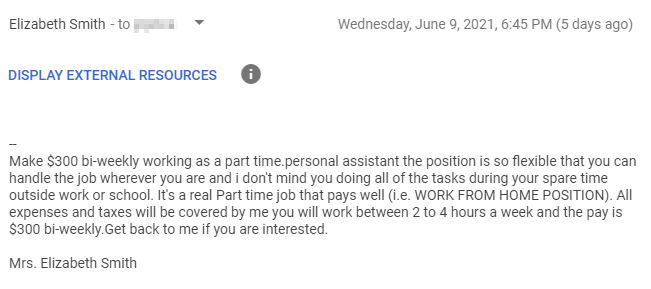
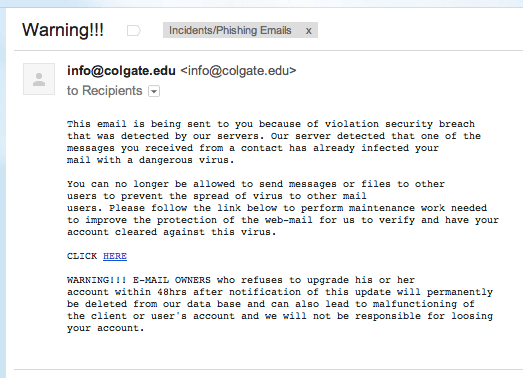
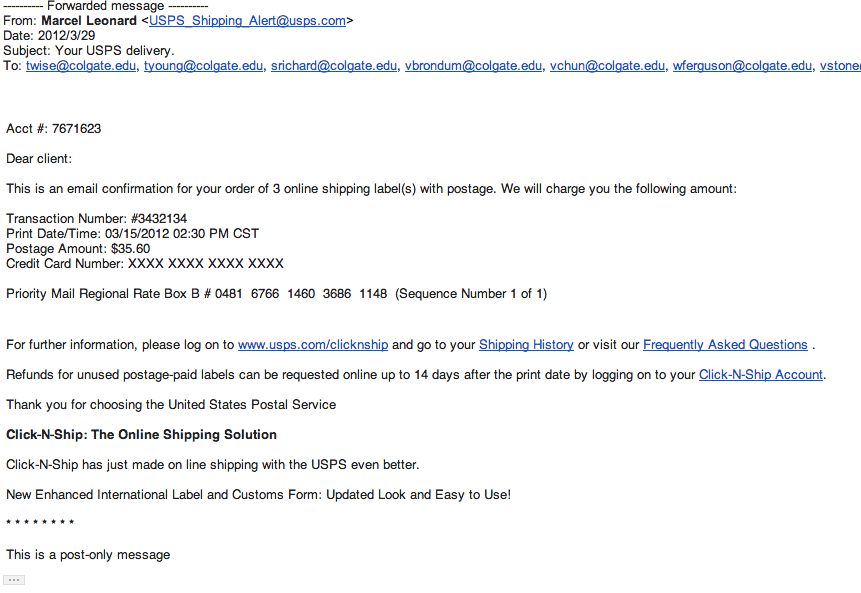
Of the myriad ways criminals try to steal online identities, phishing is the most common. Most phishing attacks begin with a user receiving an unsolicited email that appears to come from their company's IT department or service desk, a shipping courier, a government agency, a bank or some other financial institution, or any high-profile company with which one might do business. These emails are known as phishing emails. Phishing attacks; however, can also begin with an unsolicited phone call, text message, fax or even a flyer.
Some phishing emails are designed to trick you into clicking on a link which leads to your computer getting infected with malware - malware designed to watch your keystrokes and grab passwords or install "back doors" which hackers then use to take control of your computer. They then use your computer to hack in to systems and servers on your network and beyond. This is important to remember as even just clicking a link within a phishing email can have bad consequences.
Phishing attacks are designed to take advantage of their victims through manipulation — often through fear. The emails are made to look legitimate to make you trust the information. The subject is meant to make you feel uncomfortable, triggering you to take action to "correct" the situation.
Examples