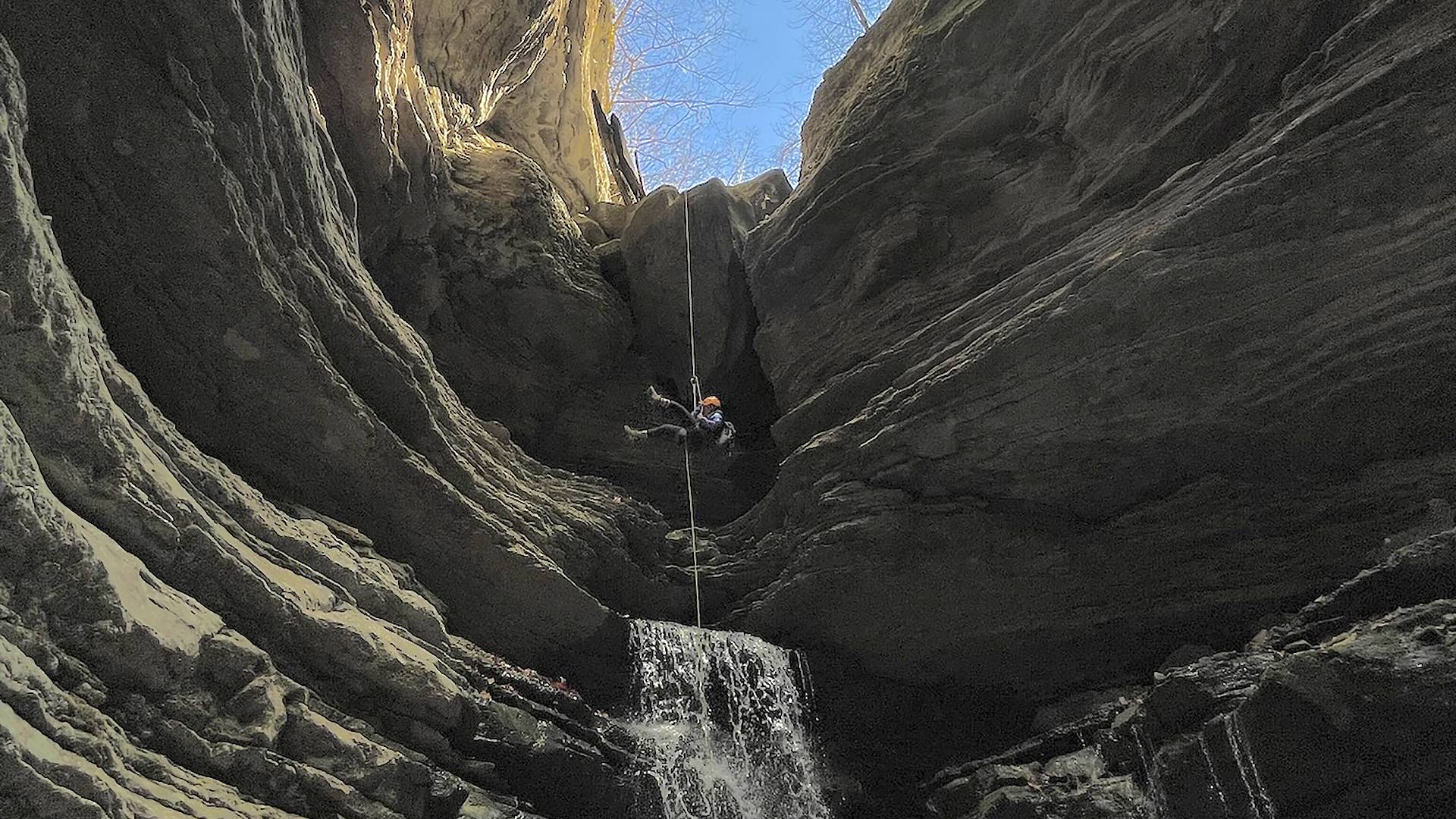
Just a short drive from campus, the forests, lakes, and mountains of central and northern New York have long served as an extended classroom for Colgate students. The tradition began in 1914 with the founding of Colgate’s Outing Club, originally centered on winter sports. Over the decades, the program evolved. In the 1980s, the University’s recreational sports department developed it into the broader Outdoor Education program known today, offering students opportunities across the year to explore activities ranging from rock climbing and canoeing to mountain biking.
One of the program’s most popular initiatives is Wilderness Adventure, a pre-orientation program launched in 1988. Every year, roughly a quarter of Colgate’s incoming first-year class participates in multi-day outdoor trips before the academic year begins. Led by trained student leaders, the trips allow new students to build friendships and develop confidence before arriving on campus.
For many participants, the experience transforms the nerves of starting college into excitement and connection. “I was the only person from my high school who was going to Colgate, and I was incredibly nervous coming in,” said student leader Hugo Stickney ’27. “Then the trip started, and I was talking to people and doing activities with the group. It rained the whole time, and the tents flooded, but you know what? I loved it. It was a very unique social bonding experience.”
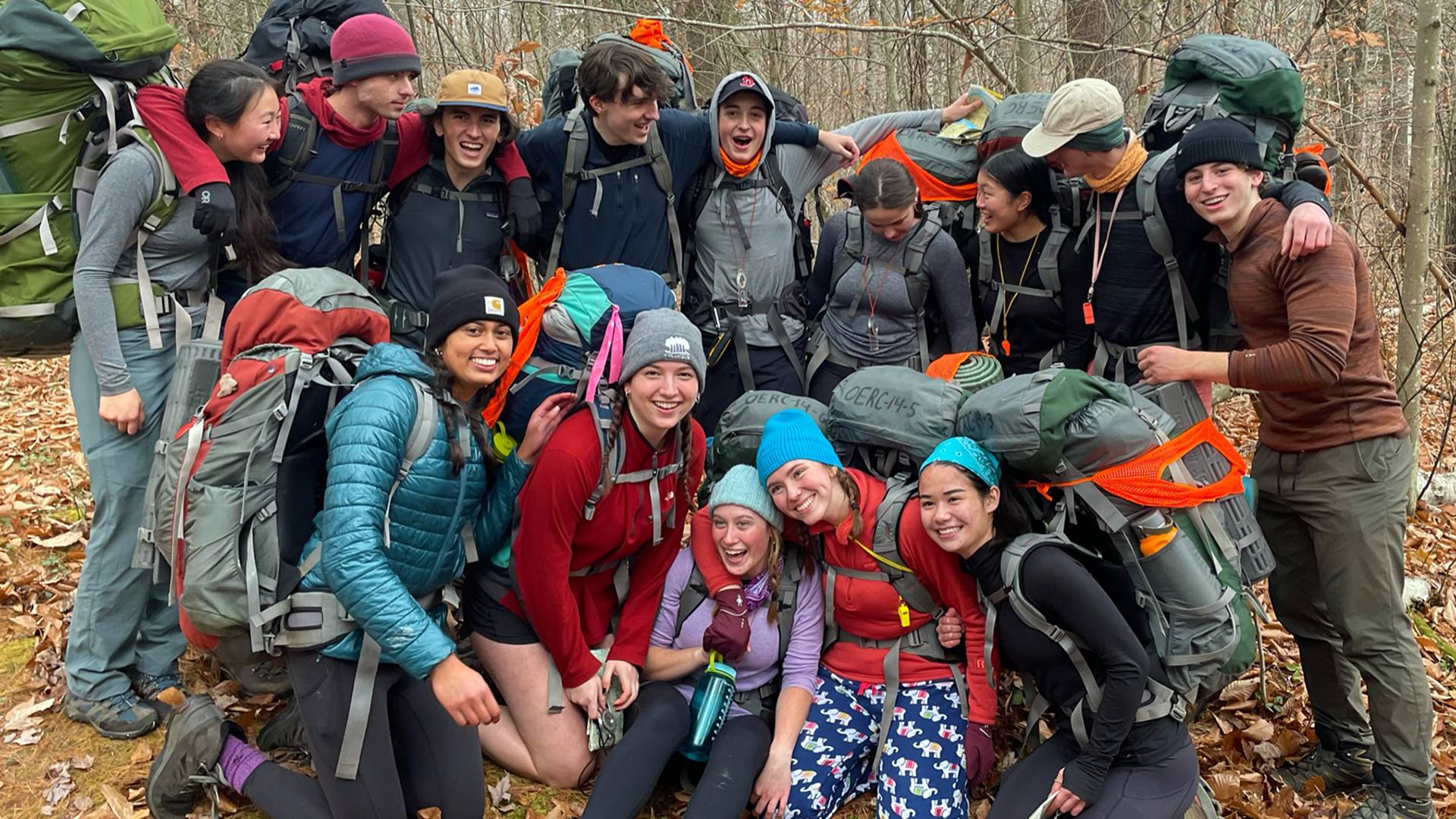
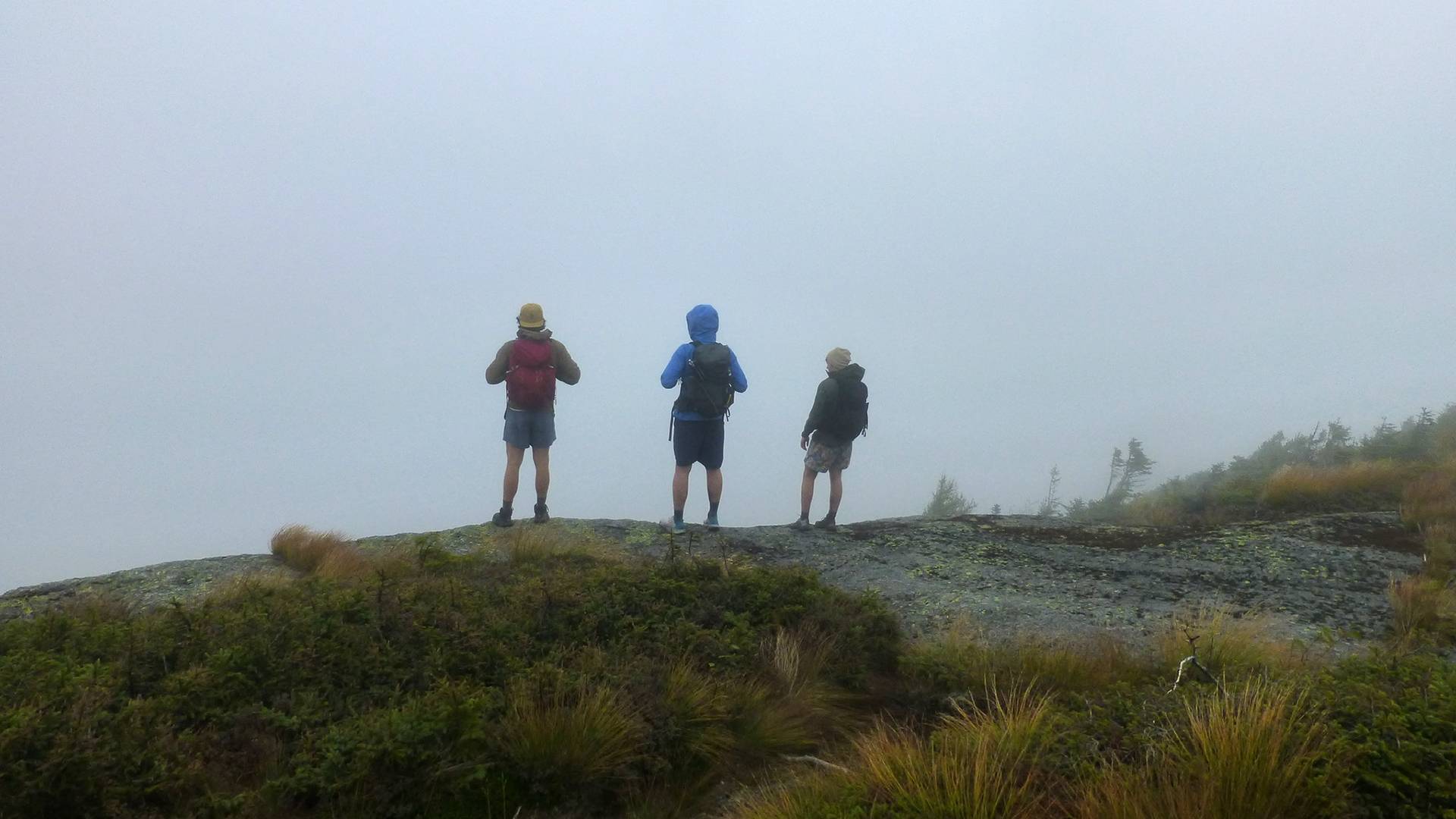
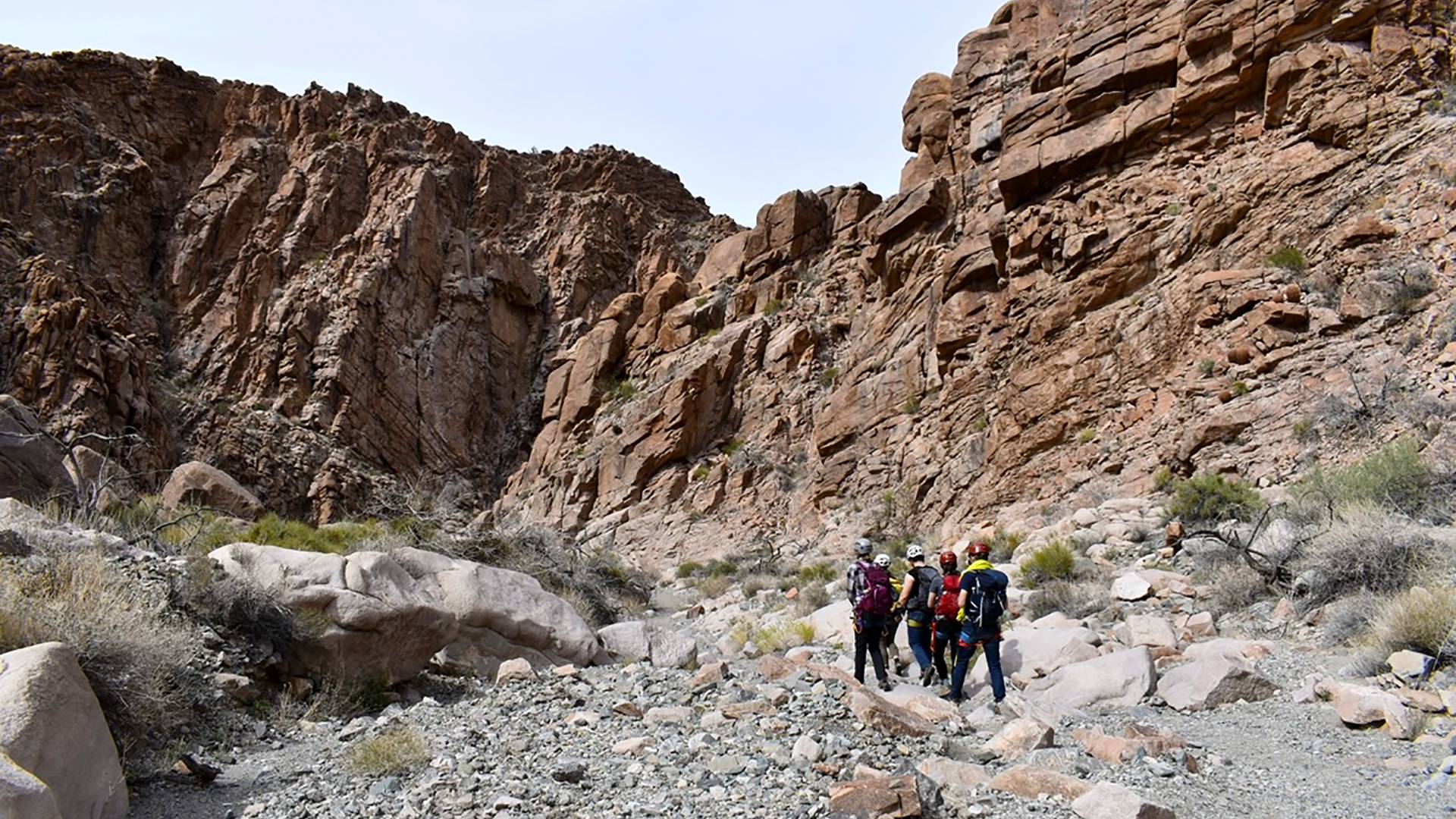
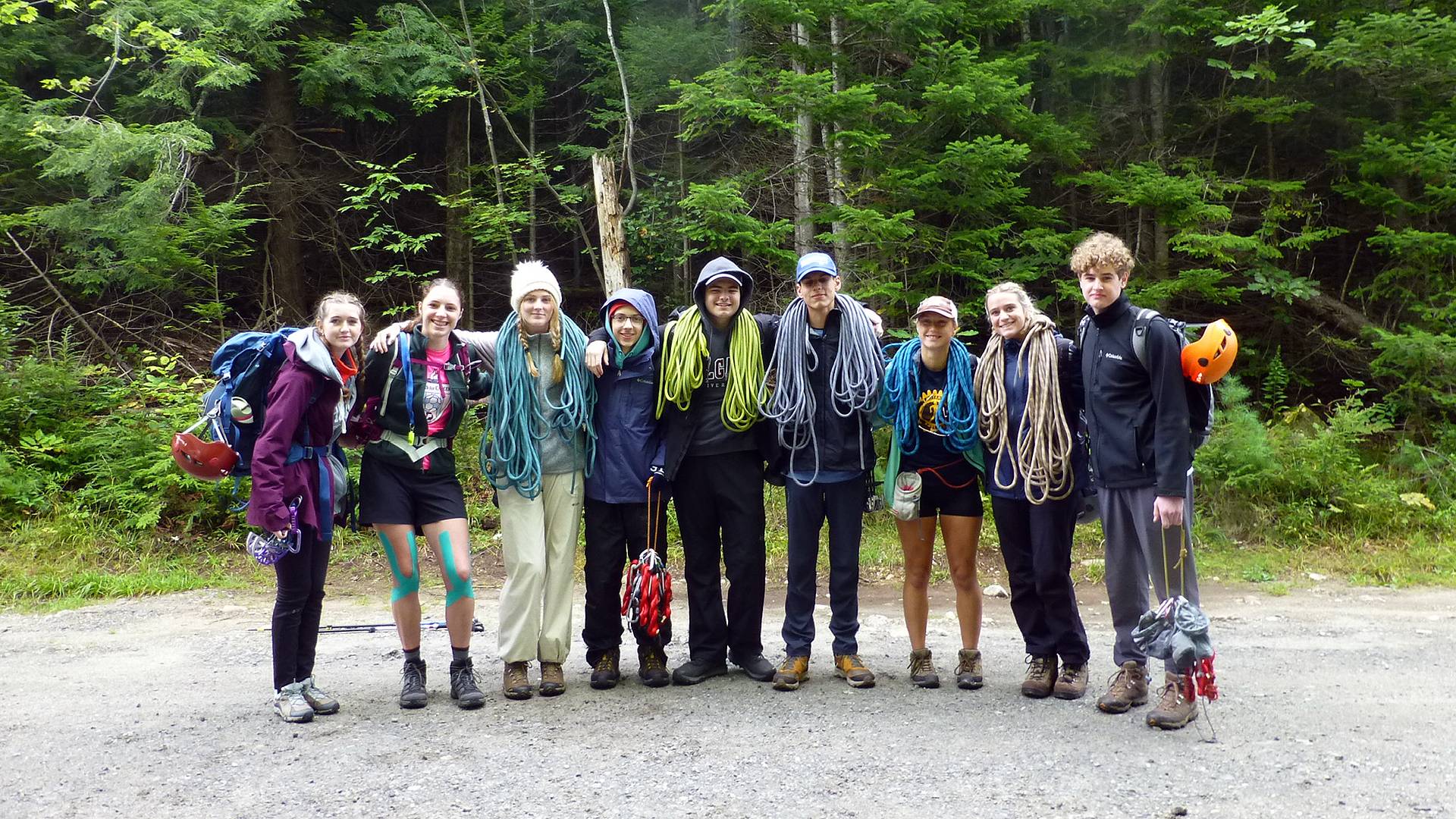
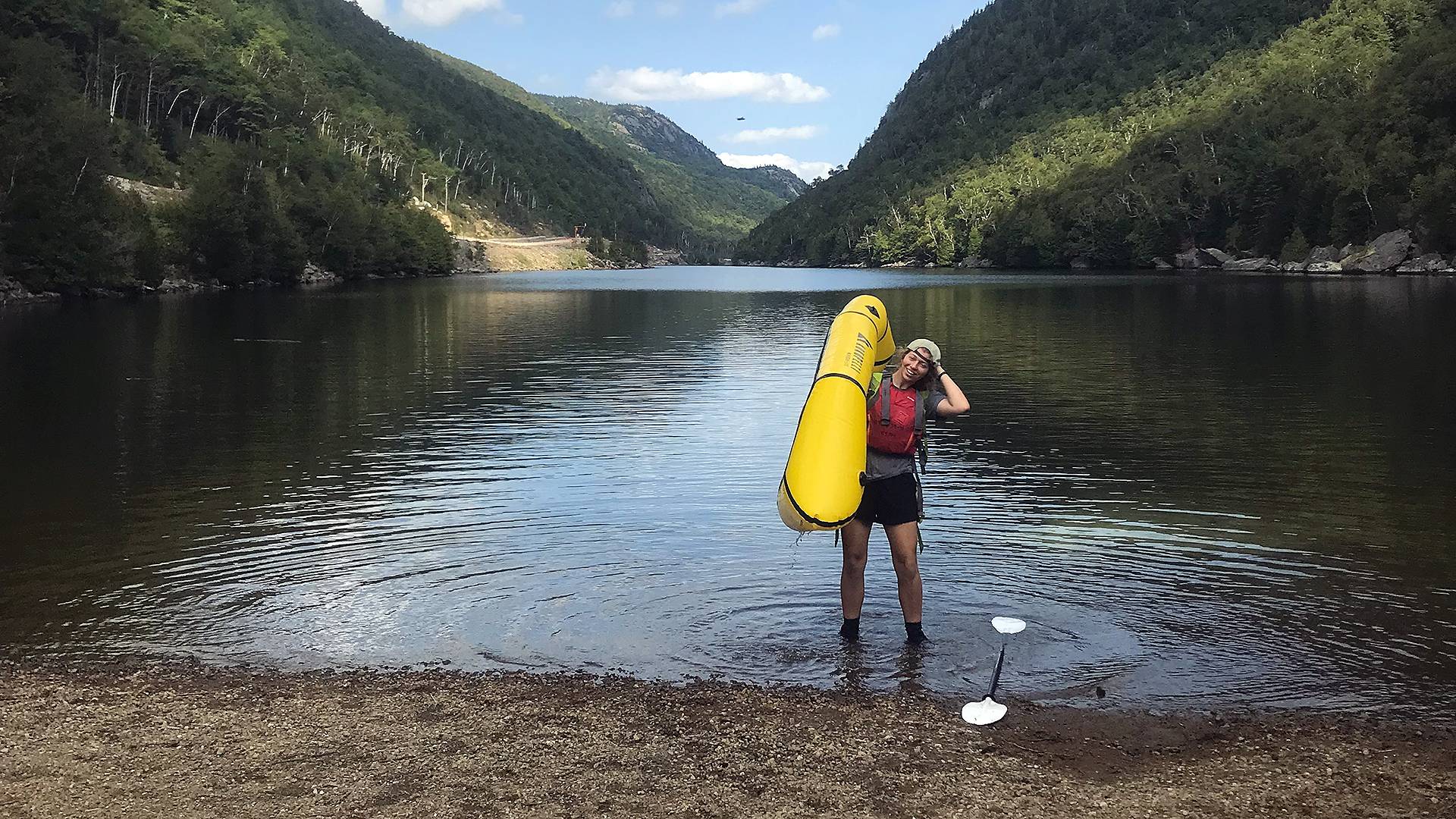
Beyond fostering a sense of belonging, Wilderness Adventure also introduces participants to the remarkable natural environment surrounding the University and encourages them to incorporate outdoor experiences into their undergraduate years. For many current student leaders, their own pre-orientation trips inspired them to become more involved in Outdoor Education and to train to become student leaders.
“I thought the trip would be a great way to meet people and to know a few friendly faces — and it really was,” said student leader Jack Schaeffer ’26. “That experience was one of the big things that drew me to apply to be a leader. It made me really happy to have that small support system, and I started thinking about how I wanted to provide that for other students.”
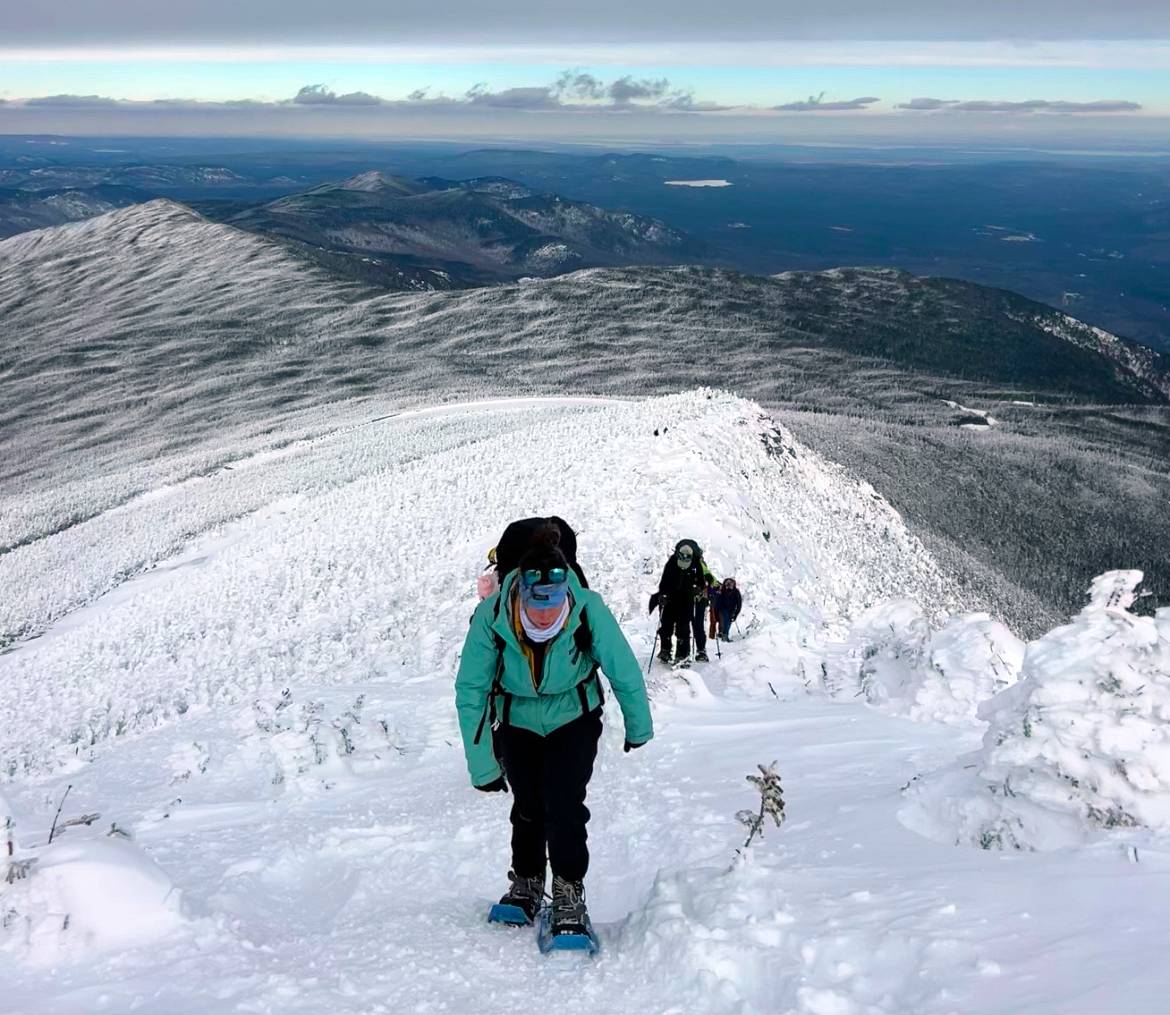
A major draw for the program is Colgate’s proximity to the Adirondack Mountains, located just a short drive from campus. The vast wilderness has become a favorite destination for Outdoor Education trips and a defining part of many students’ college experience. The region’s influence even inspired a student band, made up largely of Outdoor Education participants, to name itself 80k, a nod to the Adirondacks’ common abbreviation, ADK.
“Being an Outdoor Education leader has connected me so much more with the Adirondacks,” Schaeffer said. “It’s hard to realize just how amazing and expansive they are. I feel like I’ve seen so little of it myself, and I've spent weeks there as a Colgate student. There are just so many amazing trails, lakes, and mountains to go explore.”
While students often expect to develop practical outdoor abilities, many leaders say the training process’s most lasting lessons come from leadership development and personal growth.
“I expected I would learn a bunch of hard skills — how to ski, how to rock climb, how to use a piece of gear,” Stickney said. “What I did not expect, and what I ended up getting a lot out of, were the soft skills we learned. There is a big emphasis on our motto: learn to teach, teach to learn. I learned a lot about teaching in training.”
Those skills become especially important when, after completing training, students begin to lead trips themselves, where they are responsible for creating inclusive and meaningful experiences for every participant.
“On trips, it’s really important to connect with each participant,” Schaeffer said. “You have to make them feel as though they’re being seen and understood by their leader so they can have the best experience they can. It’s made me so much better at understanding what’s important to each person and how to connect with them on an individual level.”
The program’s impact has recently expanded thanks to the Glendening Family Director of Outdoor Education endowment, a generous gift from Bruce Glendening ’77 and his wife Cecile. Both avid outdoor enthusiasts, Bruce sought to continue a family tradition of giving back to Colgate. Bruce’s father, John W. Glendening Jr. ’38, funded the creation of the Glendening Boathouse, and Bruce’s brother, Robert L. Glendening ’71, and his wife, Beverly, endowed the Khaled Sanad Endowed Head Men’s Rowing Coach. The endowment will expand opportunities to enhance the student experience in alignment with the University’s Third-Century Plan.
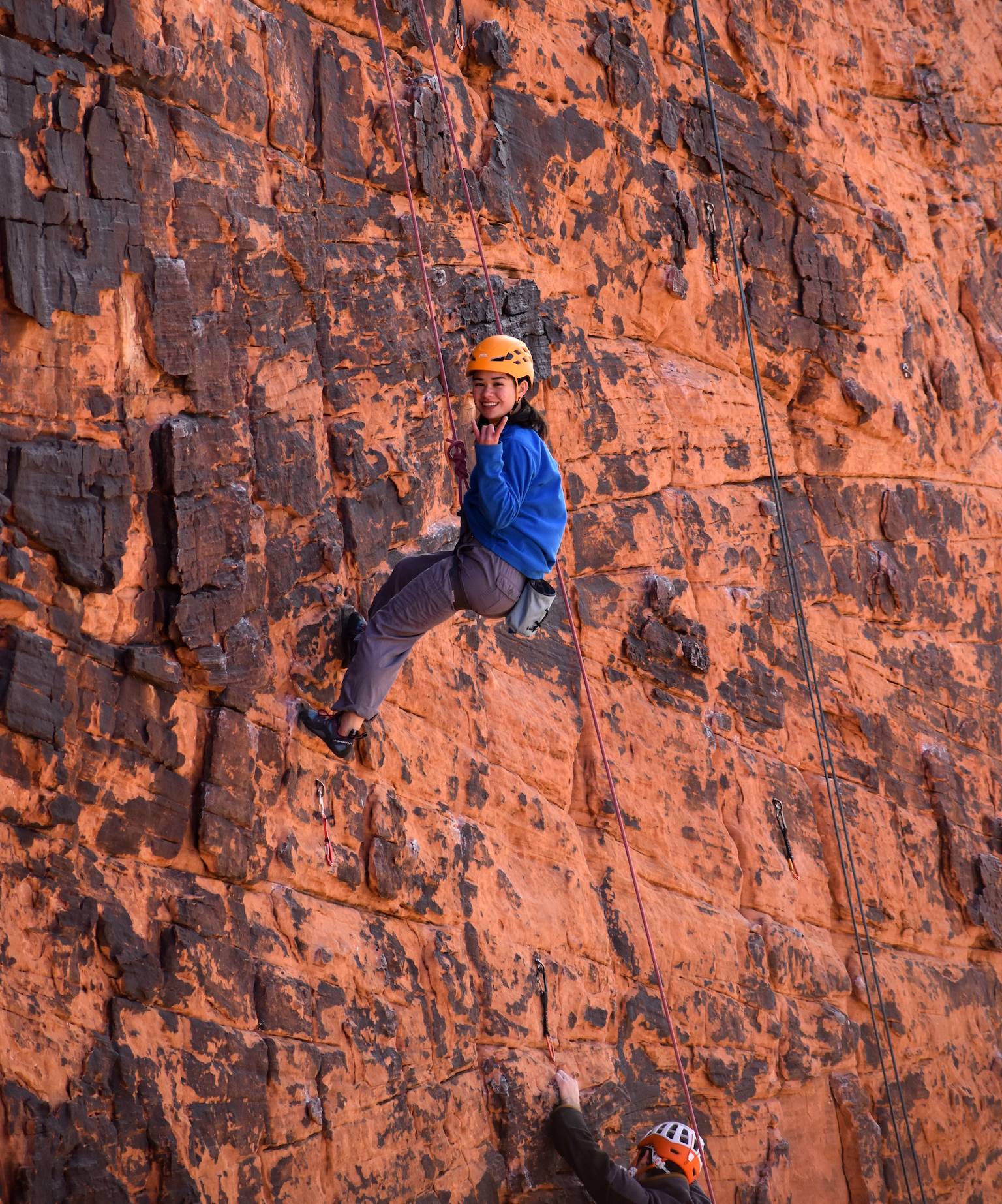
“This generous endowment opens up critical resources for professional staff to provide more dynamic mentorship to students,” said Heidi Riley, director of Outdoor Education. “In turn, those students mentor their peers and younger students in skills that both have inherent health and environmental value while also impacting, and sometimes transforming, other parts of their lives as well.”
For student leader Maxine Alpart ’27, those resources make a significant impact. “Outdoor Education makes the outdoors really accessible, and they let me do what I now love,” Alpart said. “The funding and the gear that we have really open up a world of possibilities, because it’s such a high cost to access the outdoors.”
Through leadership development, lasting community building, and transformative journeys into the wilderness, Outdoor Education continues to shape some of the most defining moments of life at Colgate.
“How many schools have such an expansive and amazing place to explore the outdoors right in their backyard?” Schaeffer said. “I think that’s such a lucky thing about being a Colgate student.”