This summer, Colgate’s Office of Entrepreneurship and Innovation launched a new initiative designed to connect students working on ventures in the TIA entrepreneurship program with high-impact, hands-on internship experiences. Thanks to the generosity and guidance of the TIA network, these student innovators spent their summer taking ownership of real-world projects, building tools, and navigating the dynamic demands of early-stage organizations.
Here is a look at how our students gained meaningful career experiences and impacted their host organizations this summer.
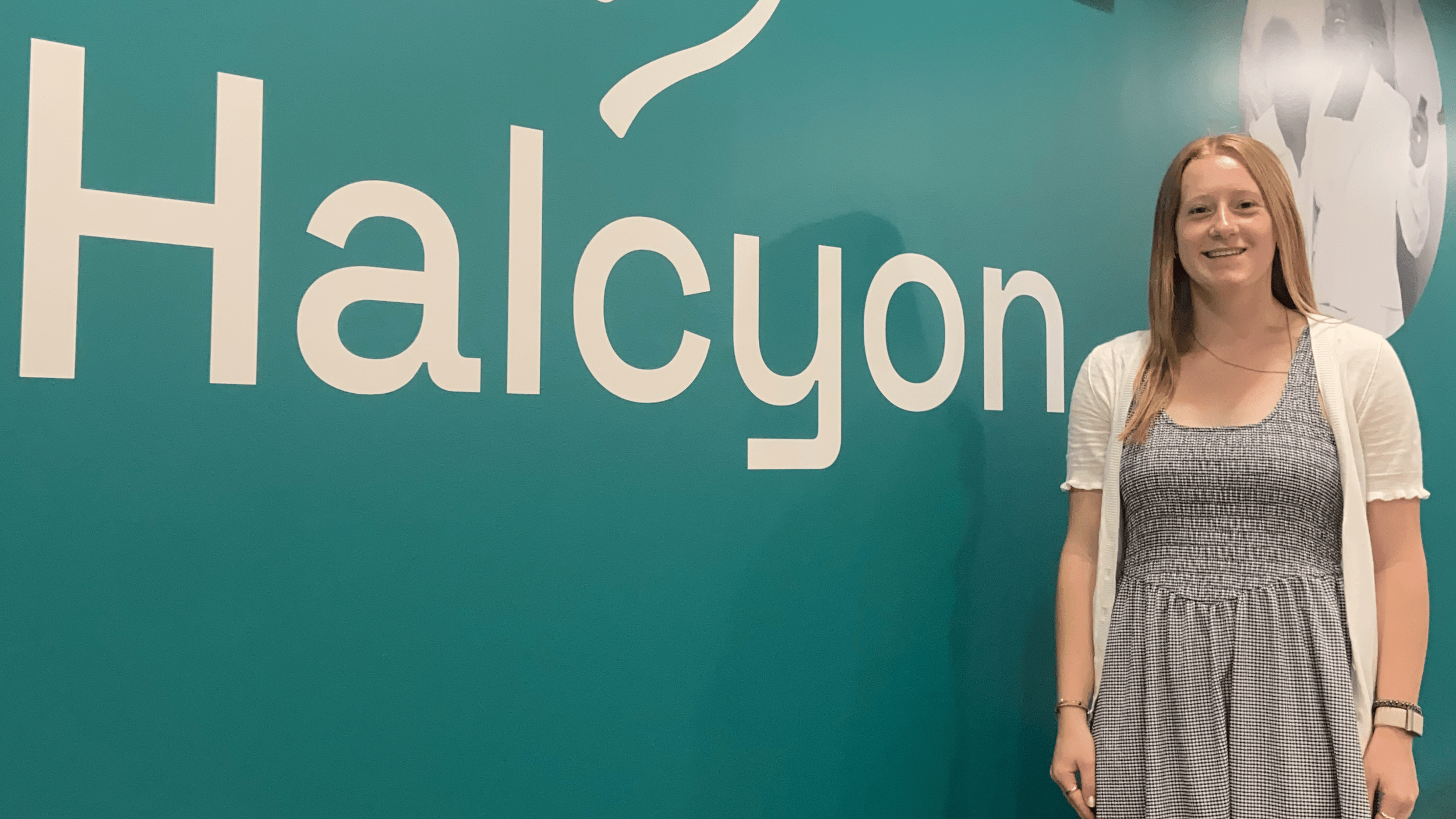
Liz Manly ’27 | Halcyon
At Halcyon, a startup accelerator for impact-driven social entrepreneurs, Manly gained deep exposure to startup operations, impact measurement, and alumni engagement. Working alongside Halcyon’s team, Manly took the lead on refining how the accelerator segments its alumni ventures. After realizing that external benchmarks didn’t fully capture portfolio performance, she pivoted to create an internal framework that utilizes Halcyon’s existing data. Partnering with a fellow intern, she helped build the Halcyon Venture Segmentation Model, a machine learning tool that calculates performance probabilities, percentile scorecards, and historical venture comparisons.
Beyond data science, Manly researched impact metrics, contributed to Alumni Day planning, and participated in steering committee initiatives. Her exceptional work led to an offer to continue her internship through the fall, where she will help manage the alumni portfolio and assist with DC Startup and Tech Week. “I am especially grateful that the projects I was given felt so intentional and thoughtfully designed... Being able to see tangible progress and make an impact in such a short amount of time was incredibly rewarding,” Manly said.
“Liz made an exceptional impact during her time at Halcyon and quickly became a highly valued member of our team,” reflected Alexis Kartalian ’23, senior coordinator, portfolio and venture community at Halcyon. “From helping us develop new frameworks for engaging our portfolio and alumni community to mapping our impact measurement approach, Liz consistently went above and beyond what was asked of her. Her final projects, which involved collaborating with fellow interns across teams, were especially impressive and created meaningful, lasting value for our organization.”
Tucker McPartlin ’27 | New Leaf Climate Partners
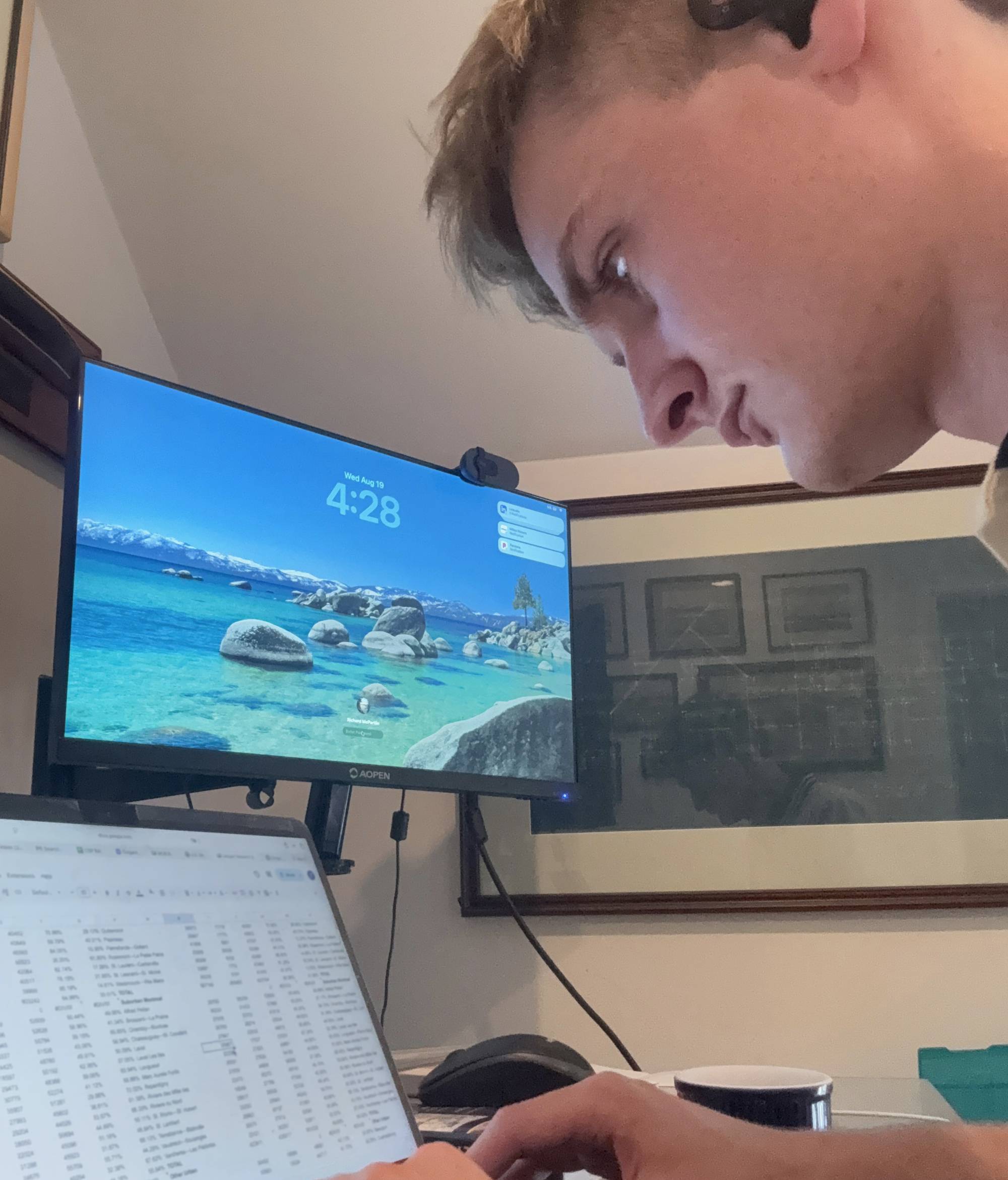
Working as an emerging markets intern at New Leaf Climate Partners, McPartlin conducted key research on supply and demand dynamics, market drivers, supply constraints, and emerging forestry products. Under supervisor guidance, McPartlin also developed practical skills using artificial intelligence to streamline data organization and improve workflow efficiency.
The industry knowledge and technical capabilities gained throughout the internship directly support McPartlin’s work with his own TIA venture, College Street Pickles. By studying sectoral growth factors and emerging market dynamics in the forestry industry, McPartlin expanded his capability to address mass-market growth, scale production and distribution networks, and navigate the transition from local sales to major retail distribution points.
“These skills and acumen gained from my internship with New Leaf have put me in a much stronger position to navigate and channel College Street Pickles’s future growth,” McPartlin said.
Onil Carrion Herrera ’26 | Notable
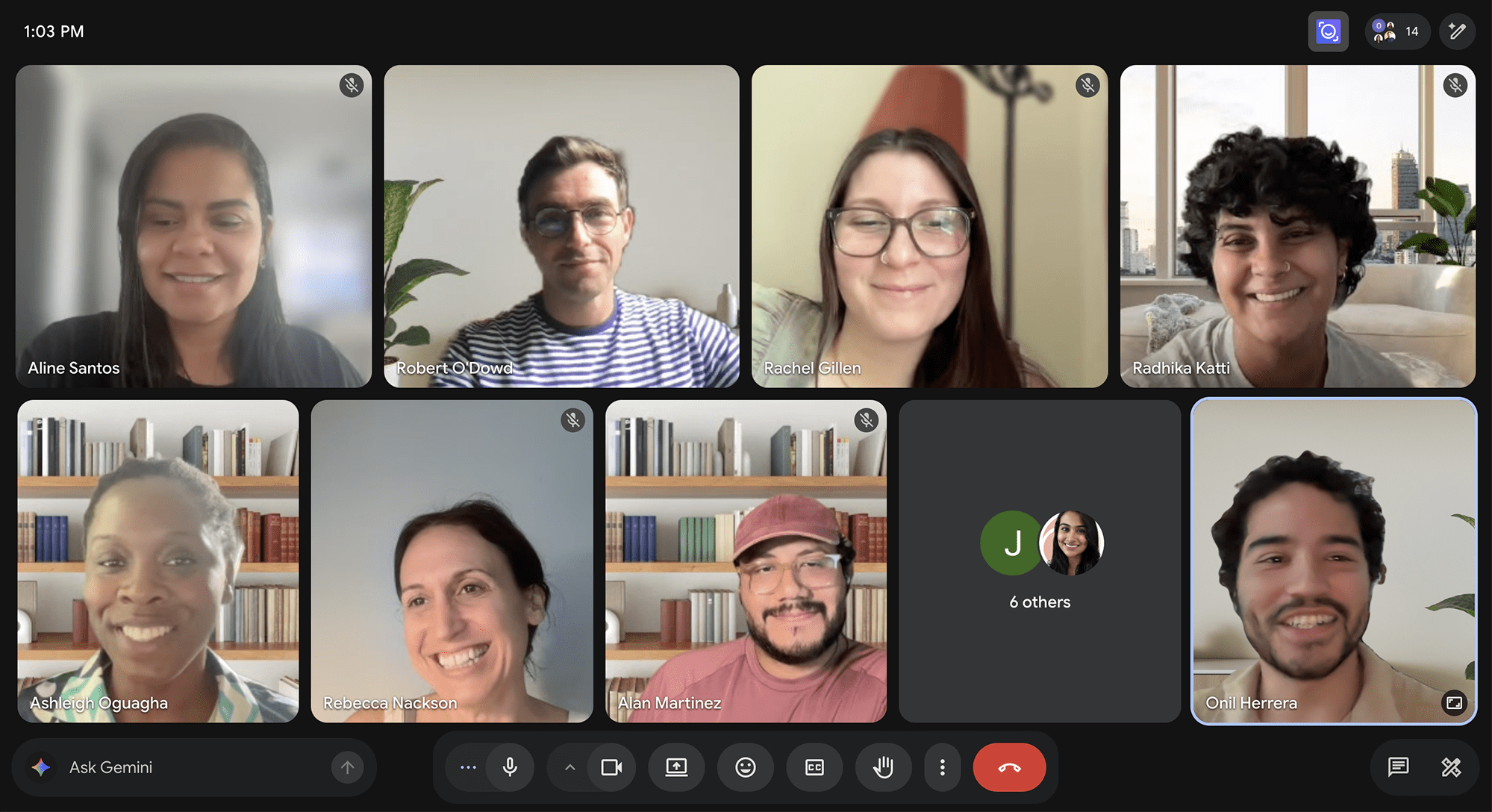
Herrera’s internship at Notable, a marketing technology consultancy founded by Rebecca Nackson ’03, focused on building an AI-powered meeting insights tool that surfaced key information from team meetings and delivered it via Slack. The project was designed around three distinct user personas: project leads, account managers, and project team members. Each group received information relevant to its role.
“From the outset, Onil showed ownership of his work and asked probing questions to guide his next steps,” said Ashleigh Oguagha, senior operations manager. “This showed not only his ability to work through ambiguity, but also his discernment in identifying which questions actually mattered to the Notable team. Beyond his organizational impact and technical contributions, Herrera’s growth as a communicator stood out most. By the end of the summer, he was presenting his work to the broader team with greater clarity and more confidence.”
Following his summer internship, Herrera will build on this experience as he begins a year-long fellowship as part of the U.S. Fulbright Binational Business Program in Mexico.
Yabesi Witinya ’26 | Paxion AI

Witinya’s internship at Paxion AI, an AI-native cybersecurity technology company founded by Ed Jalinkse ’00, directly contributed to the impact of this cutting-edge software platform that uses artificial intelligence to safeguard organizations against evolving threats.
Witinya gained valuable technical experience working on applied AI use cases across core security domains. His work touched critical aspects of product development, including vulnerability management, extended detection and response, continuous validation through penetration testing, and AI-driven cybersecurity automation.
Fueling the next generation of Colgate entrepreneurs
The growth and achievements of these student interns highlight the transformational power of experiential learning. By placing Colgate students directly into innovative environments, this program equips them with the adaptability, problem-solving skills, and confidence required to lead in rapidly evolving industries.
We are deeply grateful to our dedicated community of Colgate alumni, family, and friends whose mentorship, partnership, and ongoing support make opportunities like these possible.
Interested in participating in our internship program as an employer next summer? Reach out to Jen Martin, Weiner Family entrepreneur in residence, at jjmartin@colgate.edu.