When Libby Boissy and I drafted the outline for a course on social entrepreneurship our mission was simple: Create a guided opportunity for students interested in pioneering and innovating for lasting change within a variety of sectors.
Using the United Nations’ 2030 Agenda for Sustainable Development as a framework, class participants created plans of action for people, planet and prosperity at their heart, while focusing on one or more of the UN’s 17 sustainable development goals (SDGs). For context, the 17 SDGs were adopted in 2015 — as an agenda for global action through 2030 — with the most important being a commitment to ending global poverty in all its forms and dimensions, including eradicating extreme poverty by 2030.
This six-week workshop course that we created, “Social Entrepreneurship: The ABCs of the SDGs,” started with the foundations of social entrepreneurship, helped students identify a social enterprise that they were inspired to launch or improve, and the goal of the final session was for the students to present a well-defined, plausible, sustainable solution to address that social problem.
One of the students’ stories and pursuit profoundly struck me.
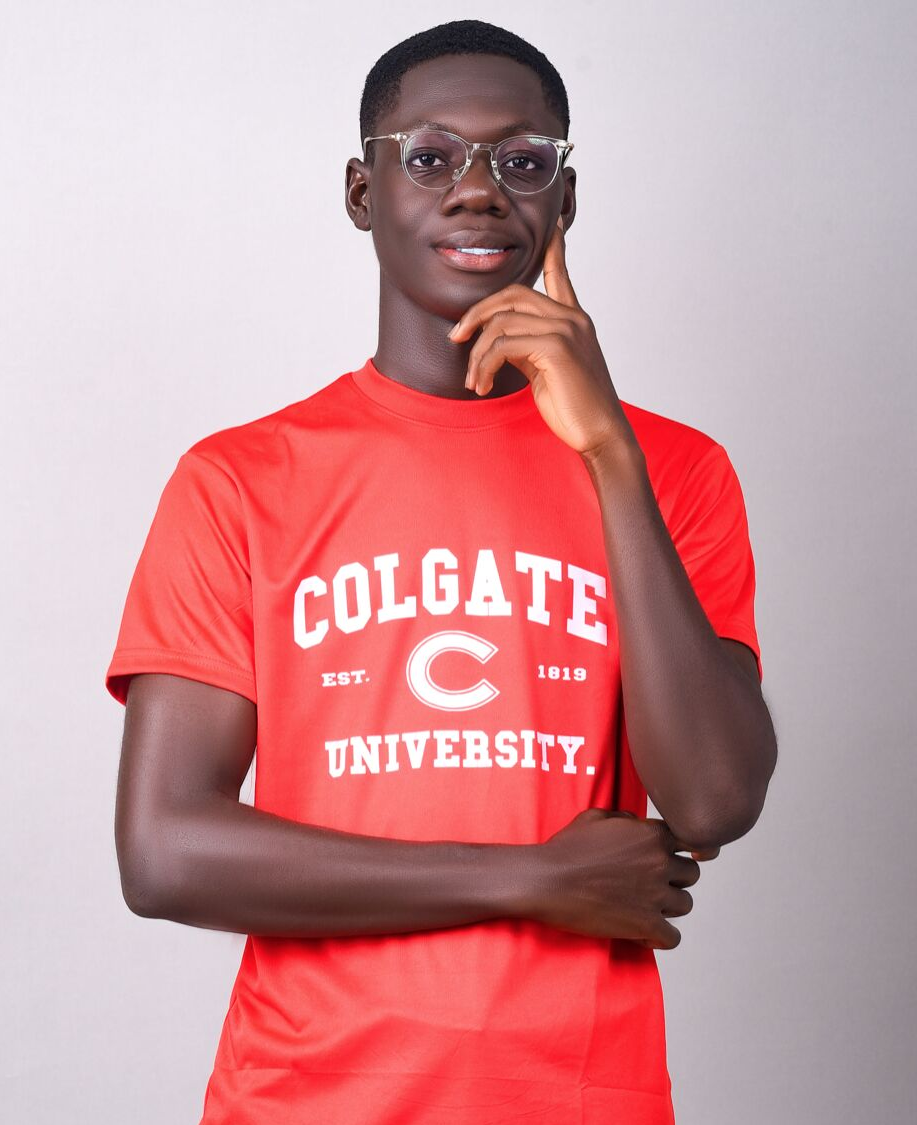
Bob Aboh ’28 is a biology major, originally from Ghana. In 2023, he founded and is the president of WIDCOM, which advocates for issues including women empowerment, teenage sexual education, and child education. Another area that Bob advocates for is sustainability and waste management.
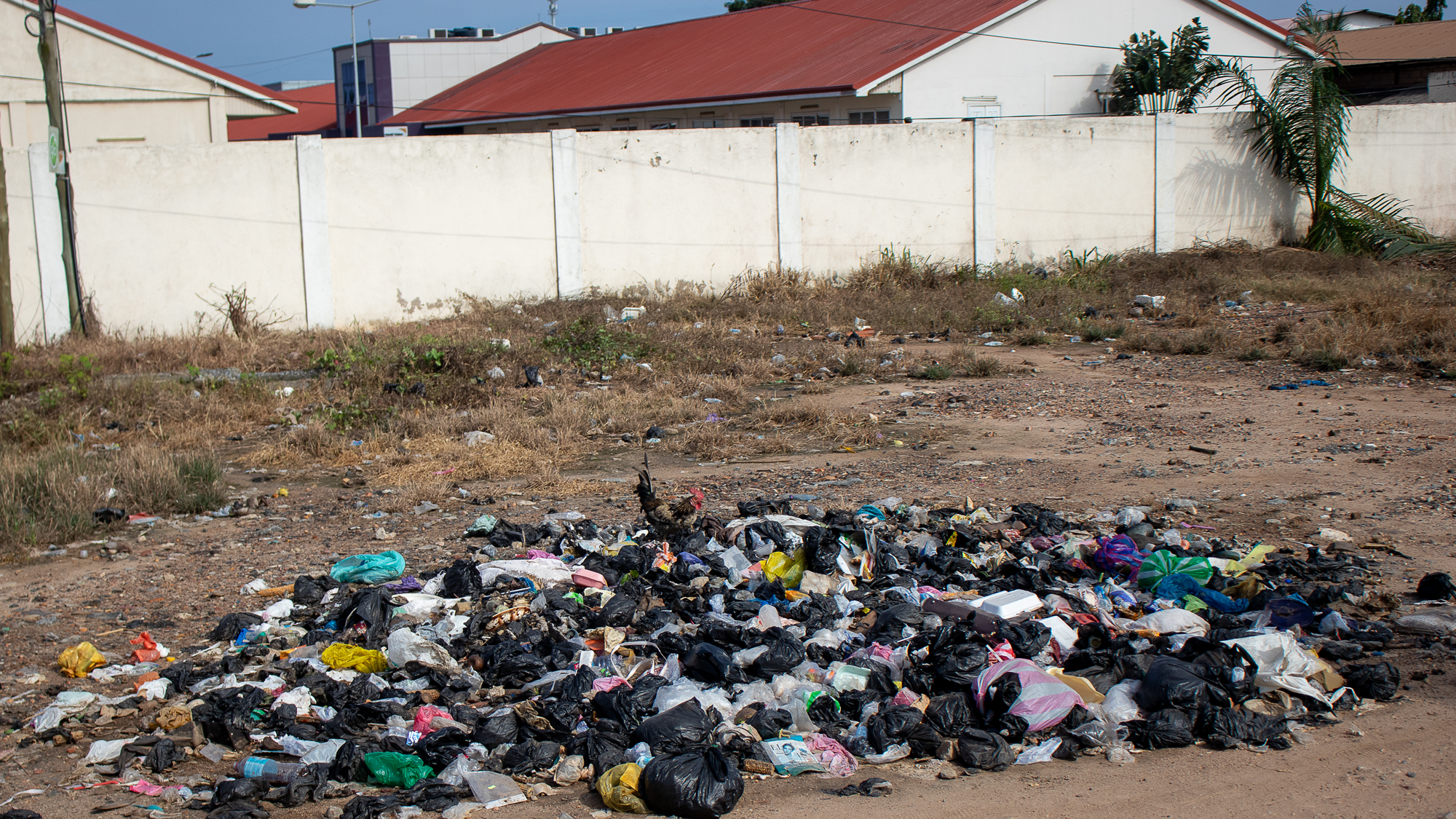
Ghana has an abundance of waste, and a dearth of resources. But much of that waste is not domestic. The explosion of fast fashion, driven in recent years by e-commerce, has resulted in billions of discarded textiles from the West ending up in Ghana, choking waterways, spilling across beaches and lagoons, and significantly impacting commercial and personal fishing. Imported e-waste has resulted in heavy metals contaminating soil, water, and air, as well as toxic chemicals that are released during crude recycling processes, such as burning plastic sheathing to retrieve copper wire. Possibly worst of all: Ghana generates more than 1 million tons of plastic waste each year (especially through single-use water sachets and Styrofoam), but some estimates place recycling rates as low as 2 percent.
Bob is acquainted with Nathan Walsh ’28 (the founder of Students Helping Students — a college prep program for students in Jamaica — and winner of the 2025 pitch competition during Arts, Creativity, and Innovation Weekend) and Mac Chirara ’25 (founder of Everlasting Technology — which provides clean energy solutions for underserved communities, promotes sustainable energy access, and aims to protect the environment). Through communications with them, Bob was inspired to develop and pursue a couple of ideas aimed at helping Ghana stem the tide of plastic waste.
The first one is similar to Fair Harbor. Siblings Jake ’16 and Caroline ’19 Danehy started their venture when they found a specific fabric made from recycled plastic, turn 11 plastic bottles into a single swimsuit, and donating a portion of their profits to beach clean-up. (To date, the duo’s company has recycled more than 37.16 million bottles into garments.)
A second idea is similar to the deposit and redemption that U.S. consumers practice nearly every day. Single-use plastic is a mindset in Ghana, Bob confides, that Ghanaians don’t see value in plastic bottles and don’t appreciate that they can be recycled. His idea is to establish recycling centers for these containers, providing a small token in exchange to the consumer, financially viable jobs to workers at these recycling centers, and a cleaner environment in Ghana.
Plastics waste in Ghana is top of mind for Bob, but so too is his passion to pursue biology, exploring the intricacies of disease, treatment, and innovative solutions to complex health issues in Ghana. I’m excited to see the next steps Bob will take in his social entrepreneurial path.
“Growing up, I got to realize that the world is suffering not just because of ‘many bad guys,’ but rather the few ‘good ones’ who have decided to overlook just to care for themselves,” Bob said. I believe Bob is firmly in the second category, aiming to look after others and the planet in a multitude of ways.
Christian Vischi is USASBE Social Entrepreneurship certified, and a privately contracted graphic designer. He has collectively spent 15 years in the areas of municipal government, the highest governing body of The United Methodist Church, and a veterans’ services organization. On campus, he is the chairperson of the University’s Campus Venture Initiative— a certifying body for student ventures to operate on-campus — and a member of the COVE Advisory Board.