RELG 210A
Fall seminar with January travel to Italy
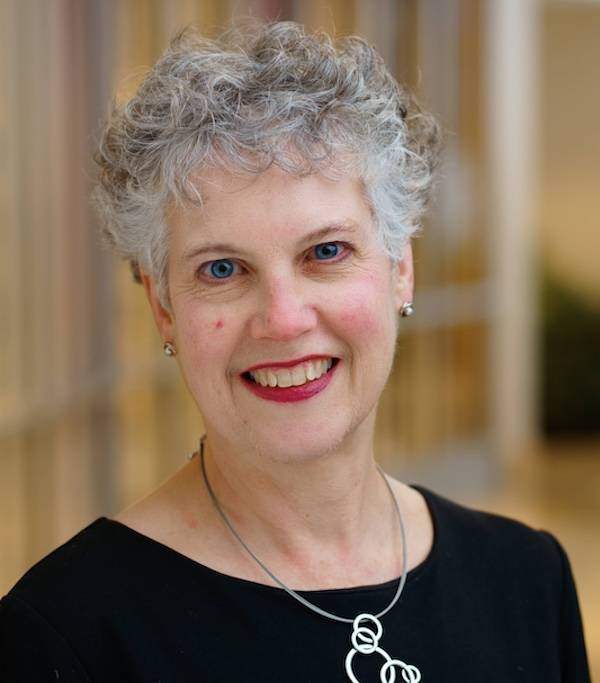
Prof. Georgia Frank
Students examine the rise of Christianity and its diverse expressions from the first to twenty-first centuries. The first part of the course, body, explores the role of suffering, healing, violence, sexuality, gender, and death in the five centuries after Jesus’ death. The next part, blood, considers the significance of blood in Christian mysticism, voluntary death, and rituals. We also examine the role of bloodshed in promulgating the movement’s global expansion. The final part of the on-campus course considers belief, its growing importance in shaping Christian identity, from the rise of Protestantism and the Catholic Reformation to various modern social justice movements. There are no pre-requisites for this course. And no religious background is presumed.
The travel-component of this course allows students to study the beginnings of the Jesus movement in its Roman political, cultural, and religious environment, as revealed by archaeology and material culture (e.g., Roman Forum, Colosseum, Capitoline, and archaeological site of Ostia Antica and the necropolis under St. Peter’s), its expansion in the middle ages as well as the early modern period,( through church architecture from the fourth through sixteenth centuries). The course includes a one-week walking-intensive (10,000-15,000 steps/day) excursion to Rome to visit archaeological sites, monuments, and museums.
This course will have a 1 credit class in fall 2026 and .25 credit class in spring 2027. Students in this seminar will live in either Crawshaw Hall or 100 Hamilton.
More About Professor Frank
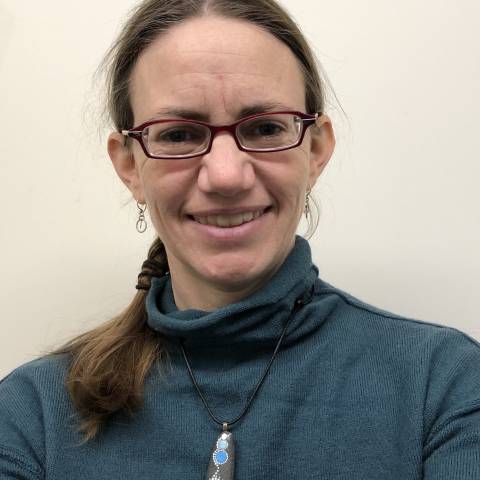
Georgia Frank teaches in the Department of Religion and is director of Chapel House Retreat Center. A scholar of Christianity in the ancient world, she focuses on the religious and social diversity of the Roman Empire as it shaped the diversity of the Jesus-movement. She has participated in archaeological research in Greece, Turkey, Egypt, and Rome. Although some histories of Christianity focus on doctrines and beliefs, Prof. Frank explores how bodies (gendered, ritual, storied, in life and in death) lived and shaped religion.