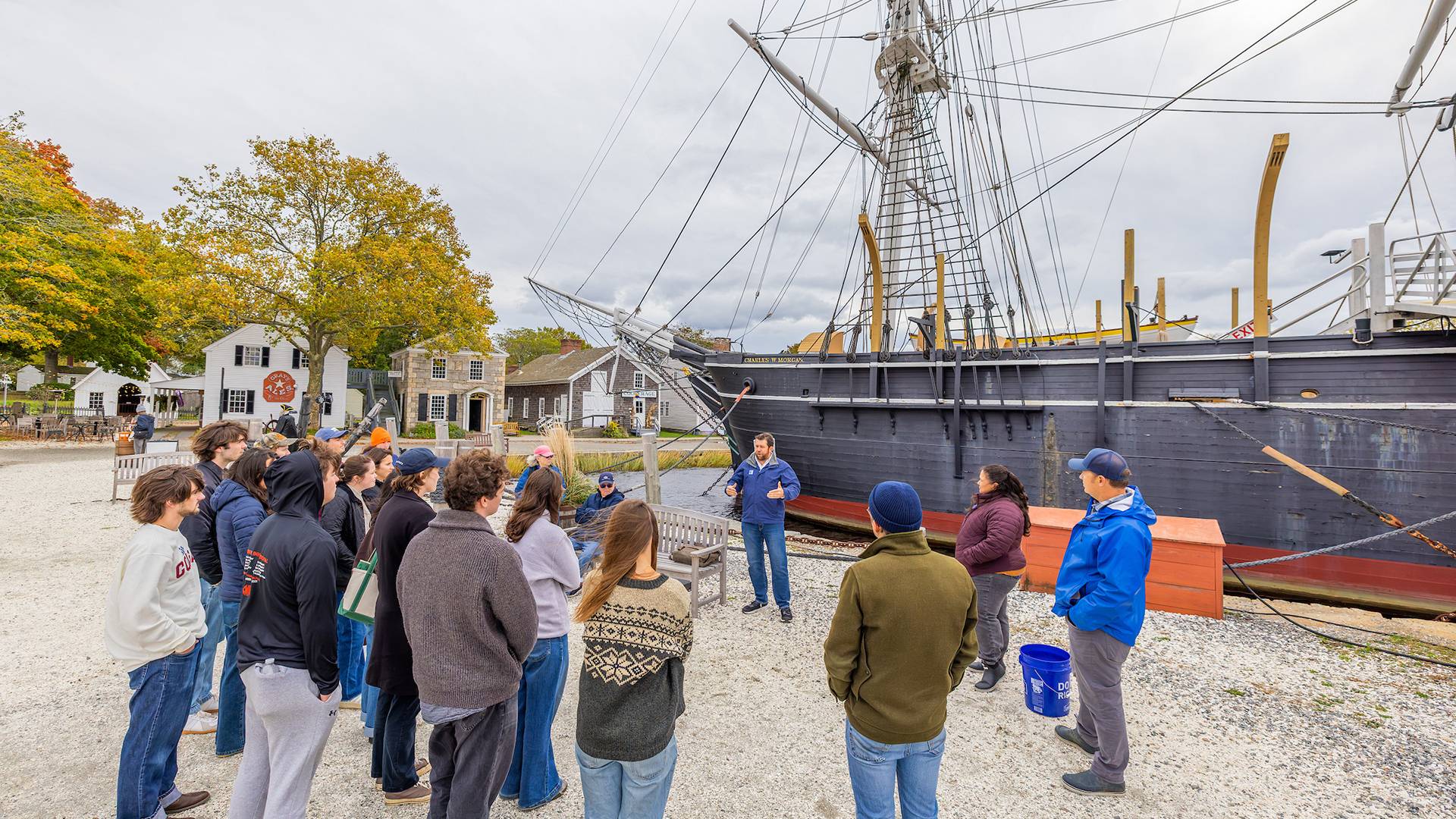
Students in Major American Novelists: Moby-Dick and Friends went on a two-day excursion to New England on Oct. 17 and 18 to bring Melville’s novel Moby-Dick to life.
Teagan Mabrysmith ’27, who is on the pre-med track, said her Summer Funding research experience in South Africa inspired her to commit to ecology and global medicine.
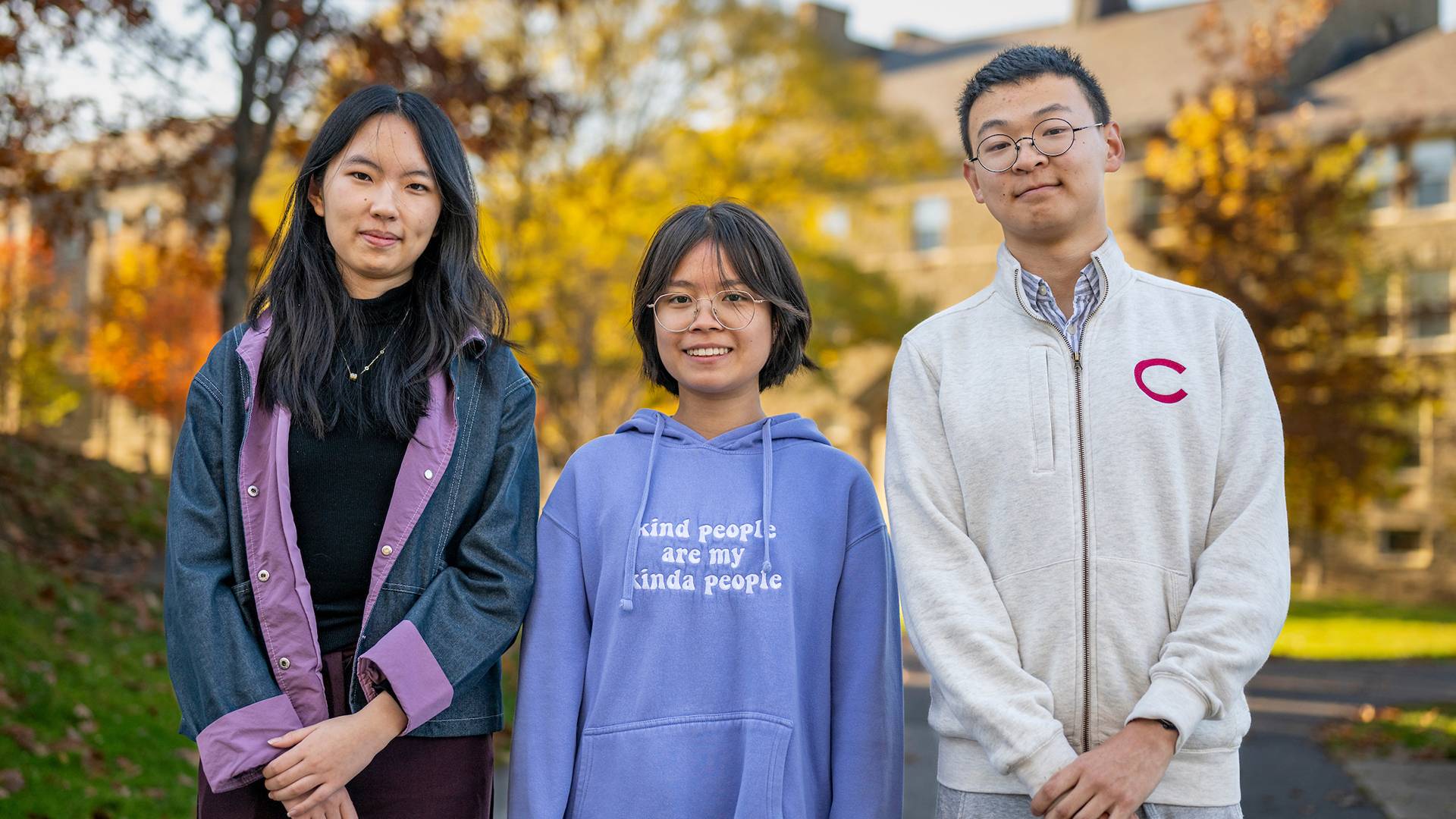
Three Colgate students are continuing work started this past summer on interdisciplinary research projects through the Picker Interdisciplinary Science Institute Scholars Program.
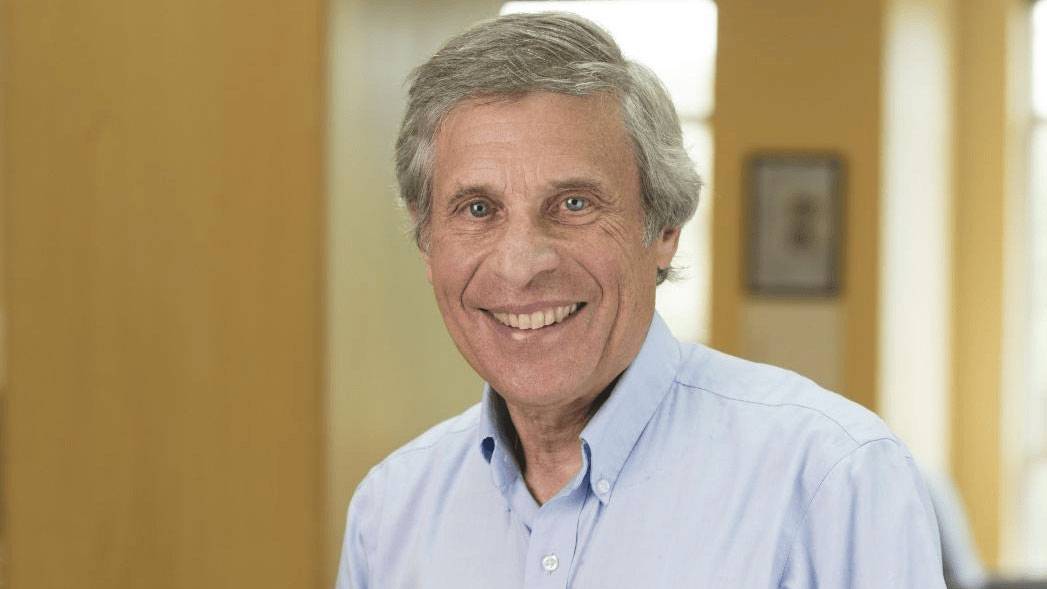
W. Bradford Wiley Professor of Economics Emeritus Jay Mandle published his latest book, Essays on the Political Economy of the Anglophone Caribbean (University of Guyana Press), on Oct. 6.
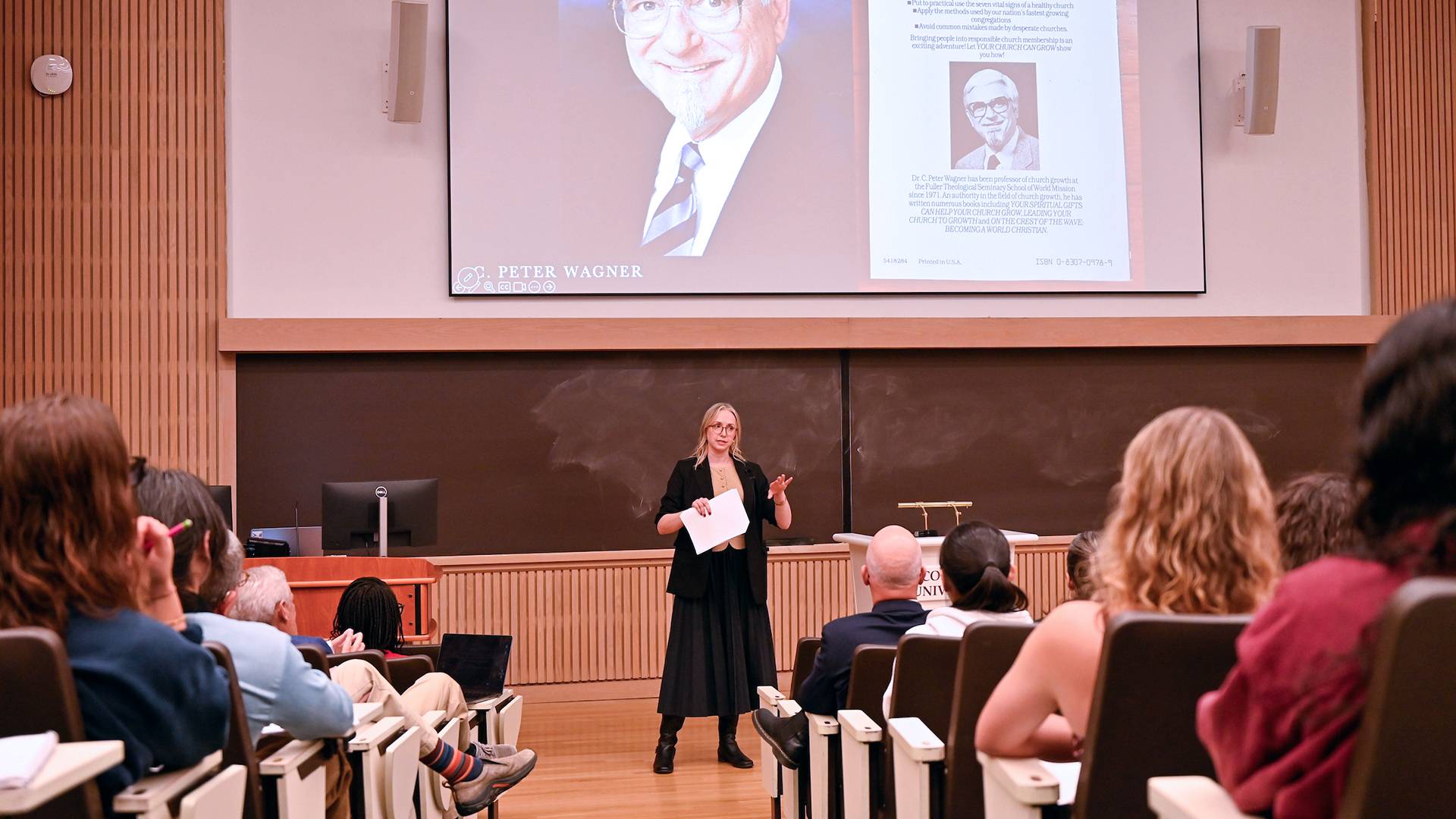
Historian Kathleen Belew of Northwestern University discussed the origins of the current political division in the United States during this year’s Peter C. Schaehrer ’65 Memorial Lecture in Peace and Conflict Studies, “Home at the End of the World: Fear, Faith and Crisis of Community in Suburbs,” on Sept. 24.
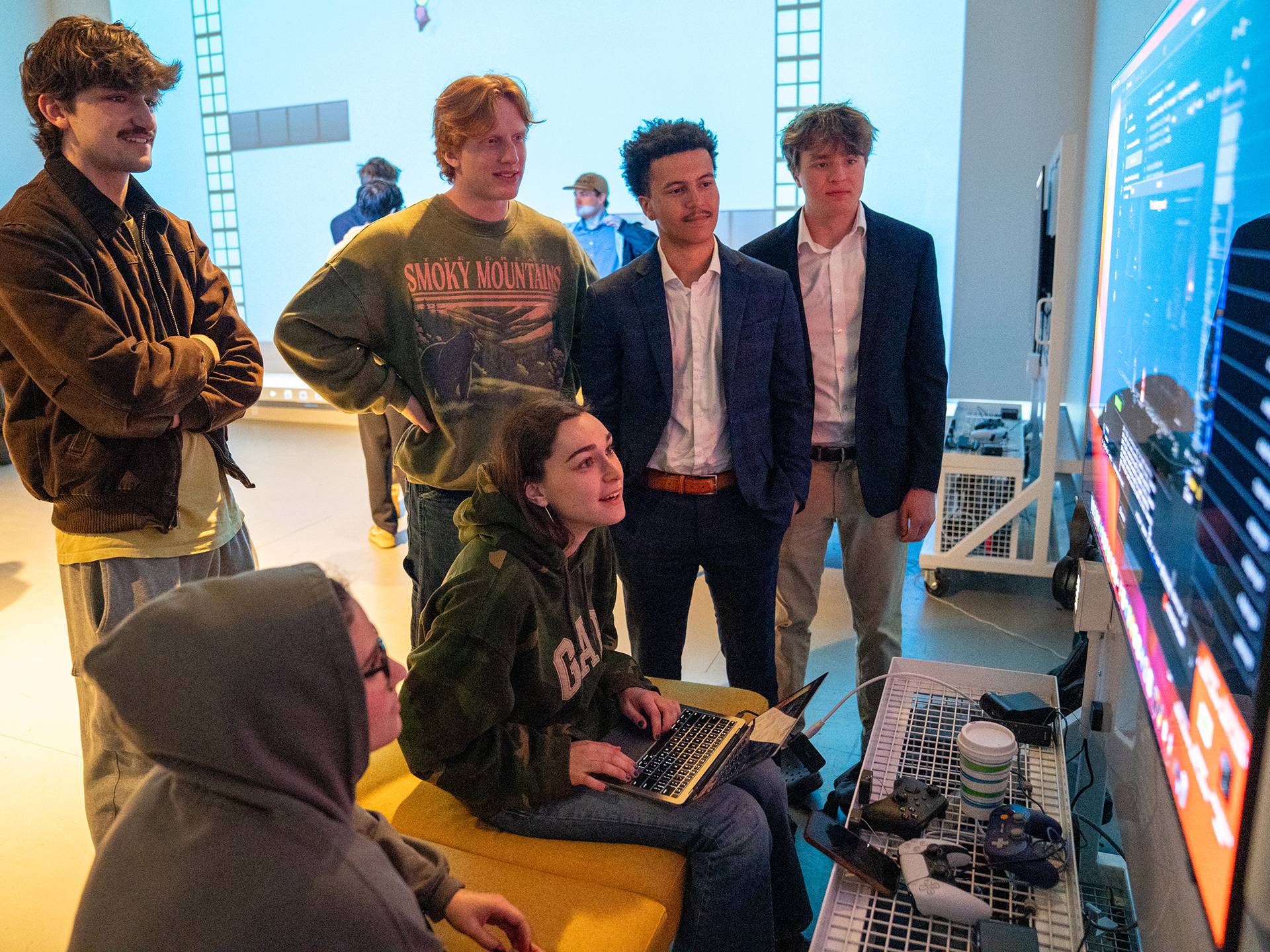
During the spring 2026 semester at Colgate, Associate Professor of Computer Science Elodie Fourquet piloted a new class called Playful Thinking, Serious Coding — bridging programming expertise, narrative storytelling, and the unique interdisciplinary perspective of each student.
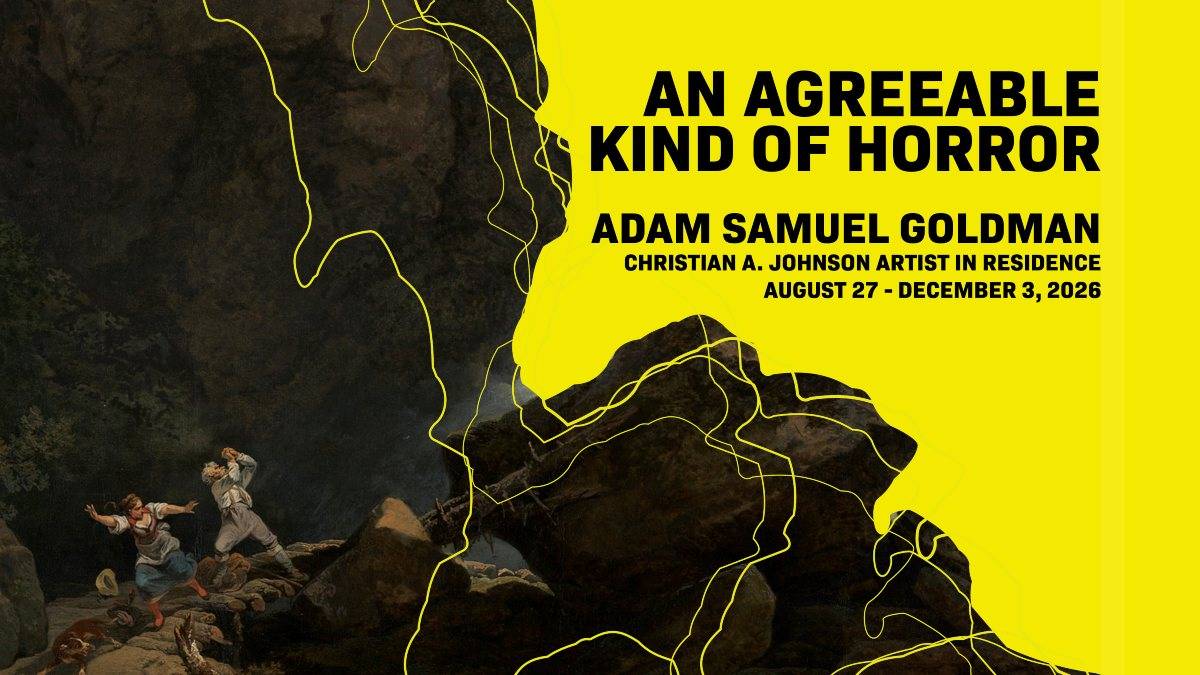
From his workshop in the Clifford Gallery in Little Hall, Adam Samuel Goldman ’94, this year’s Christian A. Johnson Artist-in-Residence, is launching a campaign of artistic chaos across the Colgate campus.
On Saturday, Sept. 19, during family weekend, the University presented a panel to address the relationship between Colgate’s curriculum and the evolving role of AI in education.
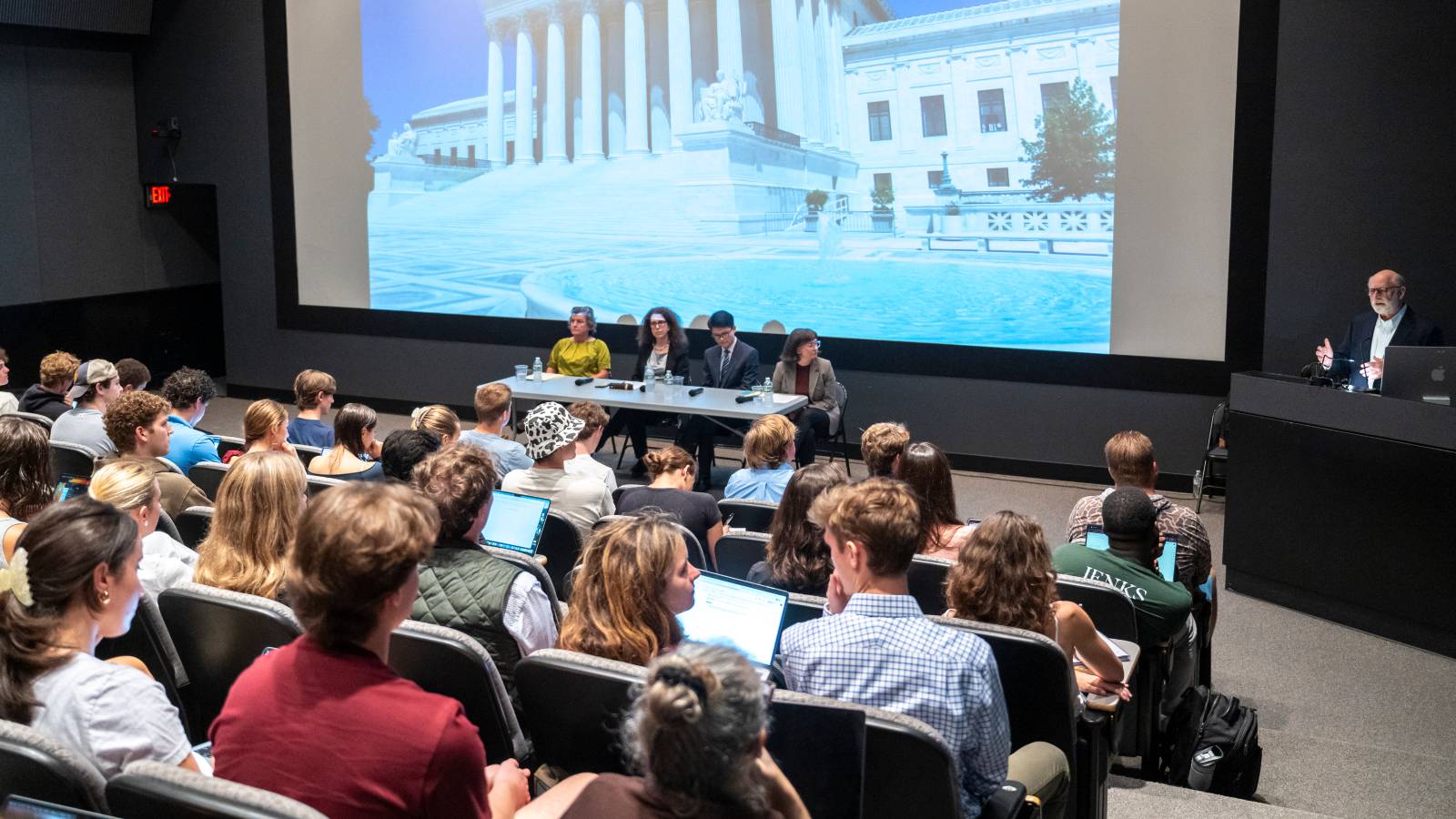
A panel of Colgate faculty members shared their perspectives on “American Constitutionalism at 250: The Roberts Court and the Evolution of a Unitary Executive” as part of the University’s celebration of Constitution Day Sept. 17.
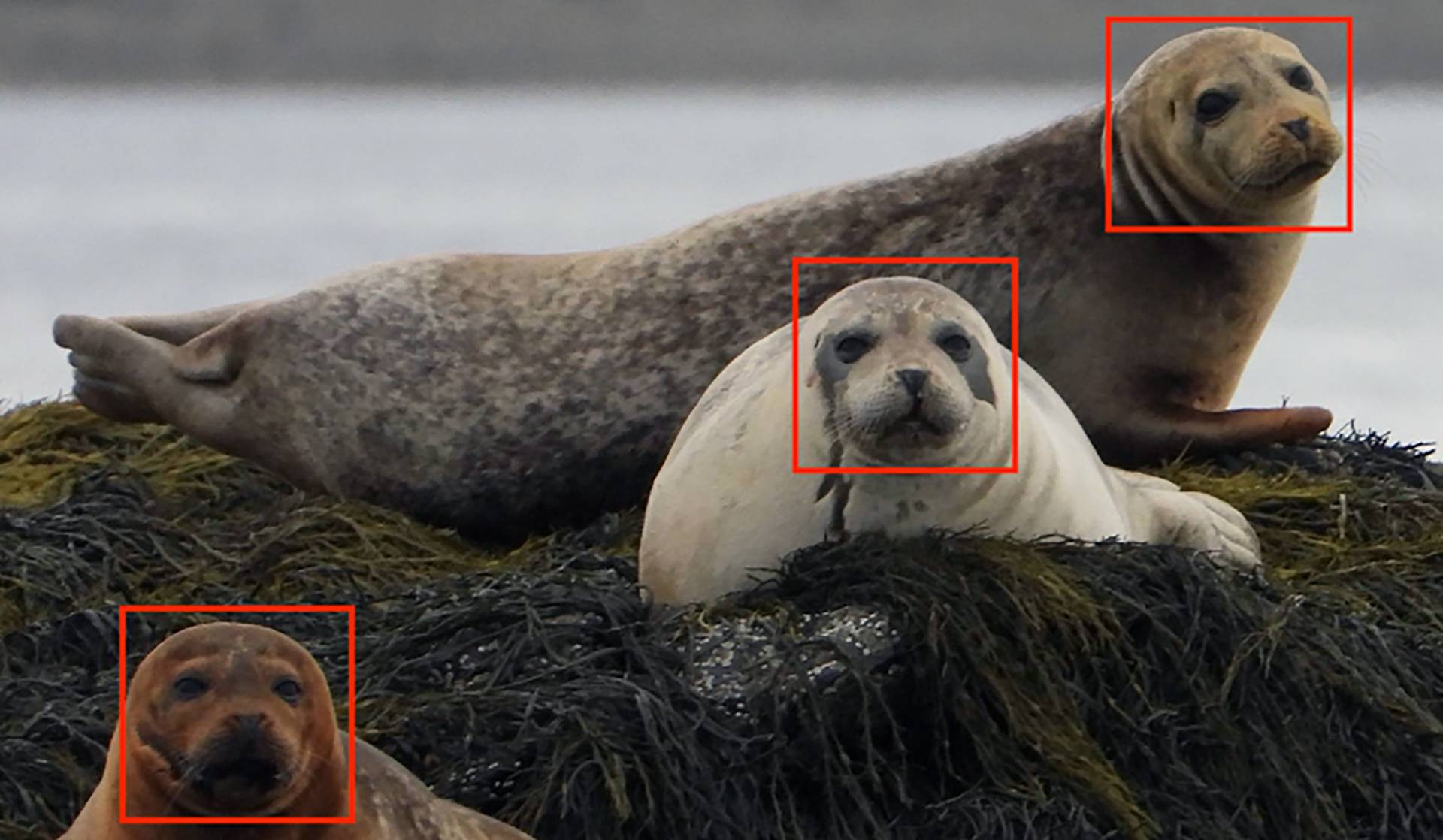
For the past seven years, Professor of Biology Krista Ingram has been diving deep into the study of harbor seals on the coast of Maine. Research using AI to identify unique human faces made her curious. Could the same technology be used in non-human research?