In contrast to functional magnetic resonance imaging (fMRI), positron emission tomography (PET), or diffuse optical imaging (DOI) techniques, EEG is a more direct measure of neural activity, whereas these other neuroimaging techniques yield measures of physiological changes that are only correlated with changes in neuronal activity.
The lab facilitates both intradisciplinary and interdisciplinary work among researchers who may not otherwise collaborate.
The Lab’s Mission
The lab’s primary mission is to facilitate cutting-edge transdisciplinary research in human cognition among researchers who may not otherwise collaborate. The BRCS lab is equipped with state-of-the-art equipment, including high-density mounted and remote EEG systems for brain recording, neuromodulation systems, advanced source localization systems, virtual reality eye-tracking systems and desk-mounted eye-tracking systems, and independent psychophysics stations, all funded by National Science Foundation (NSF) Major Research Instrumentation (MRI), James S. McDonnell Foundation: Human Cognition, and Robert H.N. Ho Mind, Brain, and Behavior Initiative grants.
The lab is an expansive shared space by cognitive science and cognitive neuroscience professors and undergraduate research students exploring human cognition from behavioral, neuroscience, and computational perspectives.

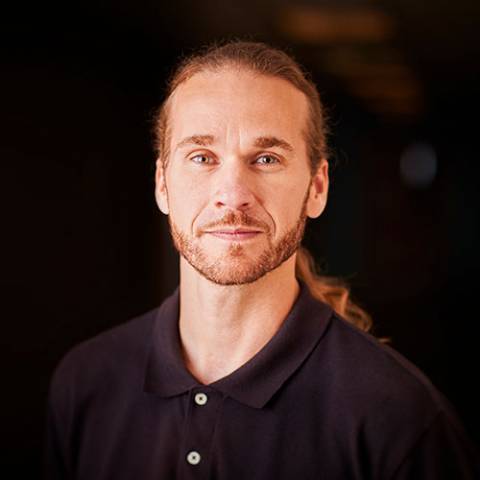
Bruce Hansen
Professor of Psychology and Neuroscience; Director, Neuroscience Program

Spencer Kelly
Hurley Family Chair, Professor of Psychological and Brain Sciences, and Neuroscience; Director, Linguistics Program
- M 1:30pm - 3:00pm (113 Olin Hall)
- T 9:45am - 11:15am (113 Olin Hall)
- W 12:15pm - 1:15pm (113 Olin Hall)

Casey Ferrara
Assistant Professor of Psychological and Brain Sciences
- WR 11:30am - 1:00pm (131 Olin Hall)

Douglas Johnson
Dean of Academic and Curricular Affairs; William R. Kenan Jr. Professor of Psychological and Brain Sciences