-
 Professor Danny Barreto comments on the intersection between LGBTQ+ and environmental justice movements.March 19, 2021
 -
 The Oak Awards strive to recognize individuals and groups on campus that have made an impact on Colgate’s campus sustainability. This year we had a great group of nominees that all model sustainability across campus and beyond. The winners are incredibly motivated individuals and constantly strive to support and encourage sustainability on campus. We look forward to recognizing them in an awards ceremony next academic year.May 8, 2020
 -
E-waste includes discarded electronic devices that can contain toxic materials but also valuable resources that should be recycled rather than thrown away. It highlights Colgate University’s new E-Waste Day program, which allows community members to recycle personal electronics once per semester, outlines what items are accepted and not accepted, and explains how e-waste is responsibly processed to protect the environment and personal data.March 4, 2020
-
-
AASHE annual conference in Spokane, where two sustainability interns and the Assistant Director of Sustainability presented Colgate’s initiatives and learned from peers. It highlights intern Makenna Bridge’s experience attending sessions focused on co-creating a sustainable economy, presenting a poster on collegiate farming, collaborating with fellow intern Cecilia Kane, and returning to campus inspired to continue sustainability work.November 15, 2019
-
E-waste includes many everyday electronic devices that contain toxic but recyclable materials and should not be thrown in the trash. It outlines Colgate University’s e-waste recycling program, including where and how to drop off eligible items on campus, which electronics are accepted or not accepted, and proper procedures for Colgate-owned devices. The article also describes how e-waste is responsibly processed to protect the environment and personal data, emphasizing recycling as an important step toward sustainability.November 14, 2019
-
-
-
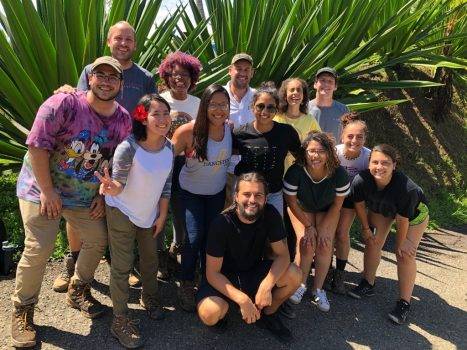 Jailekha Zutshi's service-learning trip to Puerto Rico focused on sustainable agriculture and community resilience after Hurricane Maria. Through hands-on farm work and conversations with farmers and activists, the group learned how environmentally sustainable, community-based farming supported self-sufficiency, disaster recovery, and social networks. The experience challenged traditional ideas of “development” and inspired a deeper understanding of sustainability as interconnected with climate justice, colonialism, and community empowerment.July 3, 2019
 -
Office of Sustainability Presents the 2019 Oak AwardsMay 21, 2019