
Every year, E&I coordinates and co-sponsors interdisciplinary programs that connect entrepreneurship and innovation with the liberal arts, complementing the inspiring keynote speakers and hands-on learning that students experience through the TIA program.
These programs let students see first-hand how innovators are coming up with new approaches to solving today’s complex challenges and introduce them to new approaches and ways of thinking, connecting their classroom learning with real-world use cases.
E&I is thrilled to support the following interdisciplinary programs this fall, putting entrepreneurs and innovators in conversation with students in the classroom and engaging students in hands-on, experiential learning.
I Am Your Beast
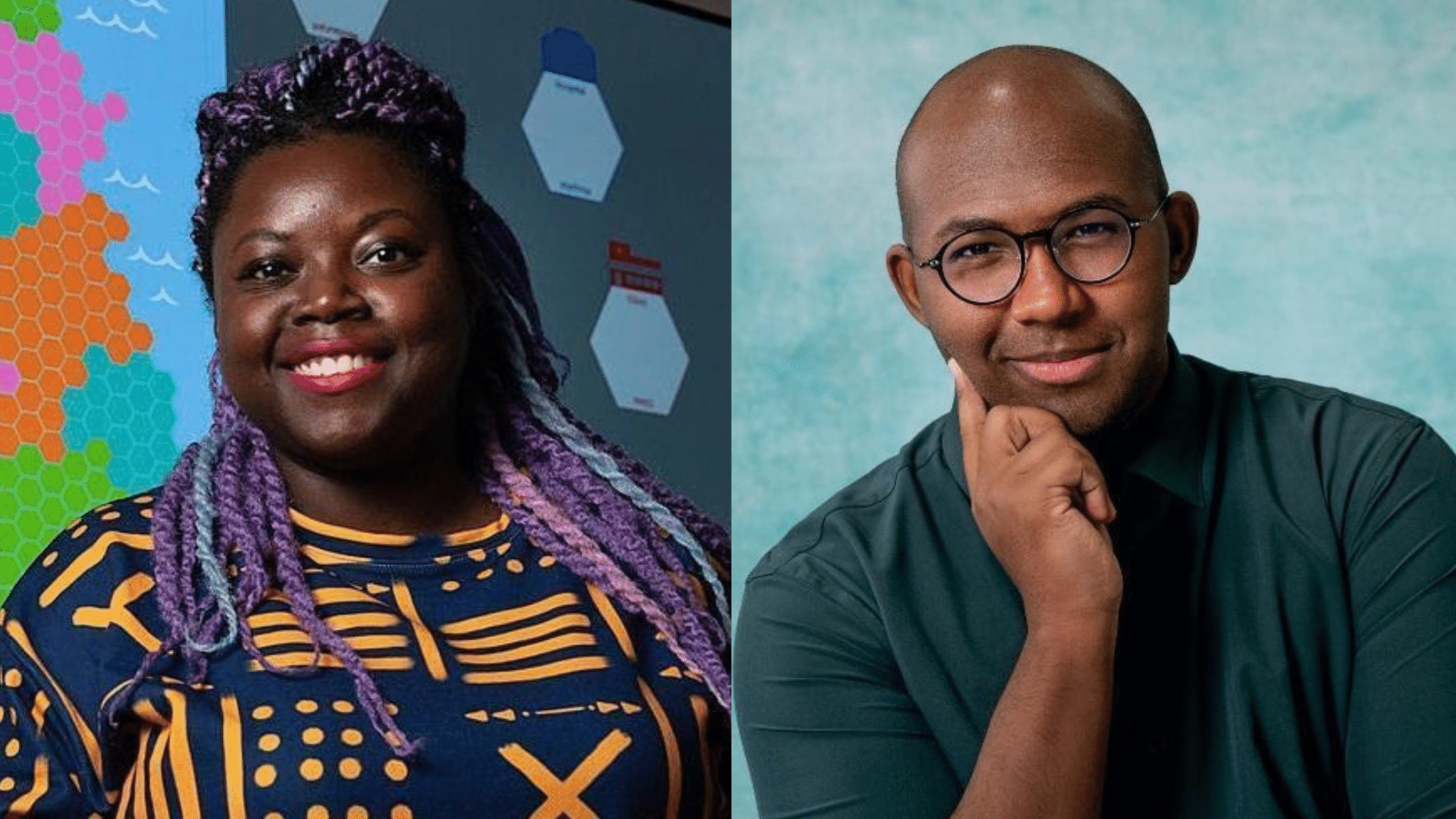
Video game designers Xalavier Nelson Jr. and Ashlyn Sparrow visited Colgate Sept. 2–5 for a residency that included class visits, interdisciplinary critiques, and an artist talk and playthrough. The pair engaged with classes from film and media studies, art, and computer science, reflecting the interdisciplinary nature of video games, and their talk and playthrough drew a broad swath of students, faculty, staff, and community members.
Nelson is the founder of Strange Scaffold, a video game development and publishing company, and a 2023 winner of a D.I.C.E. Award, the video game industry's premier peer-juried awards. Sparrow is an ARG, analog, and digital game designer as well as an assistant professor at the University of Chicago. Both Nelson and Sparrow develop experimental, genre-defying, and deeply socially engaged games that push players to interrogate power and to imagine novel ways of unmaking the constraints that govern their lives.
Gotham Taxidermy
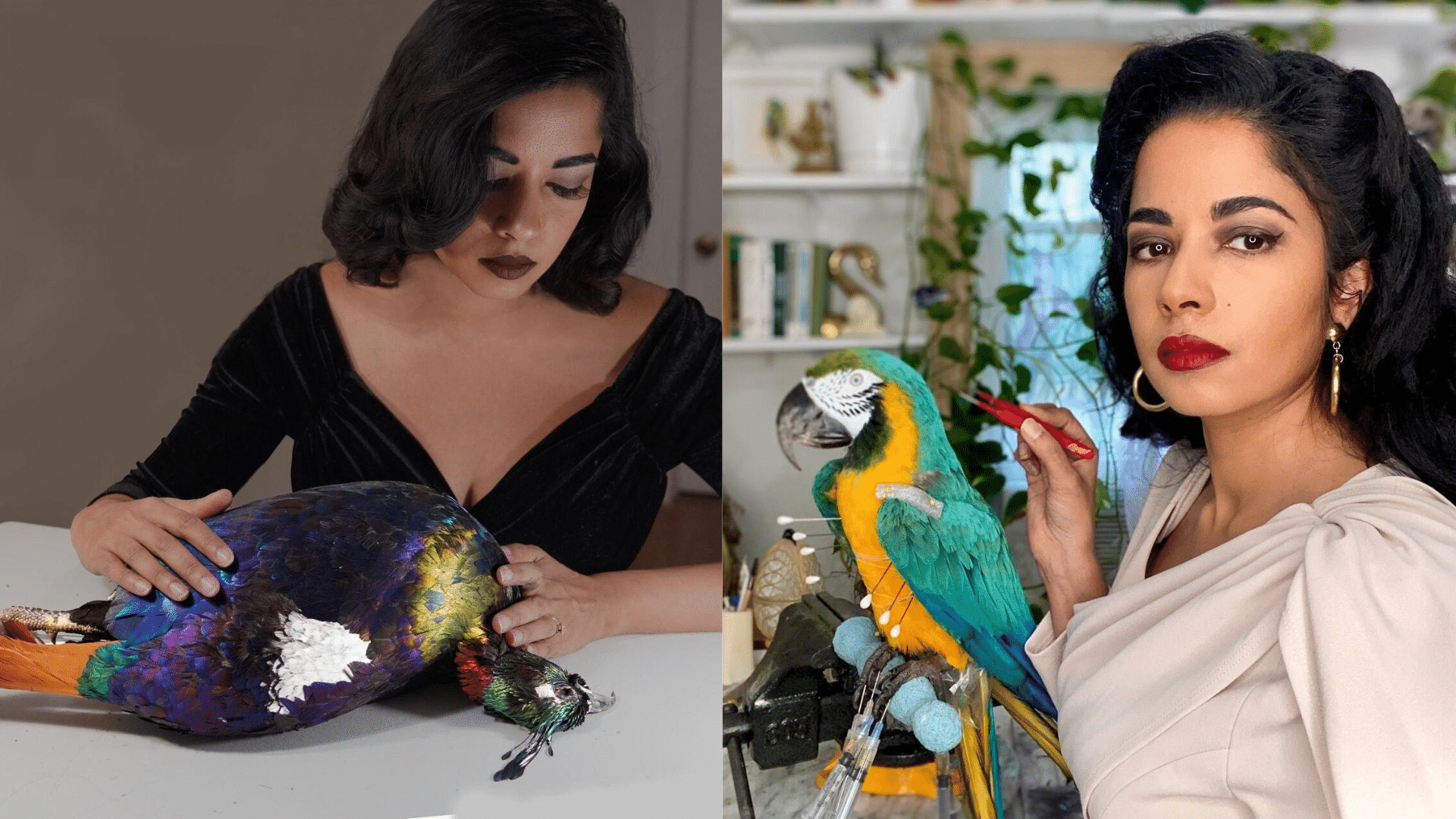
Divya Anantharaman, founder of Gotham Taxidermy, will visit Colgate Sept. 24–27 for a packed residency that includes a public talk and demonstration, two hands-on, multi-hour taxidermy workshops, and engagements with students involved in biology, art, educational studies, LGBTQ studies, and entrepreneurship.
Bringing together the science of biology and study of anatomy with aesthetic expression and art, Anantharaman uses taxidermy to engage audiences with ideas about nature and conservation. Passionate about scientific art, Divya Anantharaman teaches the techniques and art form of taxidermy while asking her students to face questions of death, mortality, and preservation. In the spirit of celebrating animals, marveling at their beauty, connecting people and animals along with the places we share, and fostering appreciation for the conservation of natural wonders, Divya draws on the art of taxidermy to connect humans and nature.
Dedicated to education, Divya maintains a “Learn Taxidermy” Discord server, free video tutorials online, a Reddit group for networking artists and taxidermists, and an active presence on her website offering resources and instruction on taxidermy. Gotham Taxidermy is the first QTBIPOC-owned taxidermy studio in New York City, which she runs on an ethos of access and inclusion in a particularly siloed and narrow field.
Embodied Futures Through Black Feminist Fire and Practices of Freedom
Embodied Futures is a transdisciplinary experiential journey into the connections between art, social change, and feminism. This weeklong residency, Nov. 9–15, with activist-choreographer Shamell Bell, founder of Street Dance Activism and the Global Dance Meditation for Black Liberation, pivots focus “from final creation to the creative process.”
Through a series of movement activations and critical dialogues, campus and local community members are invited to explore choreography, civic engagement, artistic expression, and activism through the frames of Black feminism and somatics. Public events will include a brown-bag talk, hip-hop workshop, and street dance activism workshop.
The Architecture of Death: Sites of Remembrance
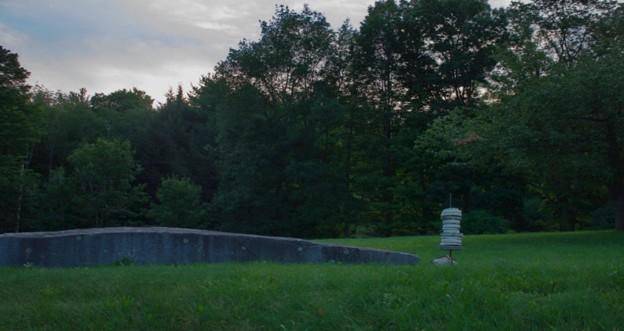
This interdisciplinary architectural installation and research-based public project examines burial, mourning, memorial practice, land use, sustainability, and the spatial cultures of grief. The project asks how spaces of mourning might engage death spatially, materially, ritually, and collectively rather than conceal or displace it.
This project uses design thinking to address a pressing land-use problem within contemporary burial and memorial practices. Traditional cemeteries often rely on fixed burial plots and expanding acreage, while many communities are facing ecological limits, rising land costs, and changing rituals of grief. The Architecture of Death: Sites of Remembrance proposes a more adaptive model, one that uses architectural research, public participation, material transformation, and contemplative practice to imagine new forms of remembrance.
Spearheaded by Rachel Paupeck, assistant professor of art, this project will unfold over two semesters, involving students enrolled in an interdisciplinary design studio course and engaging students, faculty, staff, and community members in the creation of a two-part public ritual and site intervention on Colgate’s campus.