This summer I was incredibly lucky to work with the National Abolition Hall of Fame and Museum (NAHOF). NAHOF is located in Peterboro, N.Y, the former home of influential abolitionist Gerrit Smith. As one of the largest landowners in America, Smith donated the equivalent of over $1 billion to abolitionist causes, opened his home as an Underground Railroad Station, and regularly hosted and funded significant abolitionists such as Frederick Douglass, Harriet Tubman, and John Brown. Because of Smith, Peterboro was a space of radical activism throughout the abolition movement.
Today, however, rural, upstate New York is not known for its activism. Furthermore, much of its history has gone overlooked or largely forgotten. Despite Smith’s extensive influence on American history and the abolitionist movement, I’d never heard his name before this summer. To address this, NAHOF serves a two-pronged mission. The first is to honor the legacies of historical abolitionists. The second is to advance the “second abolition,” the moral conviction to end racism. All of this work is done through the lens of public education and my work this summer focused primarily on advancing the second prong.
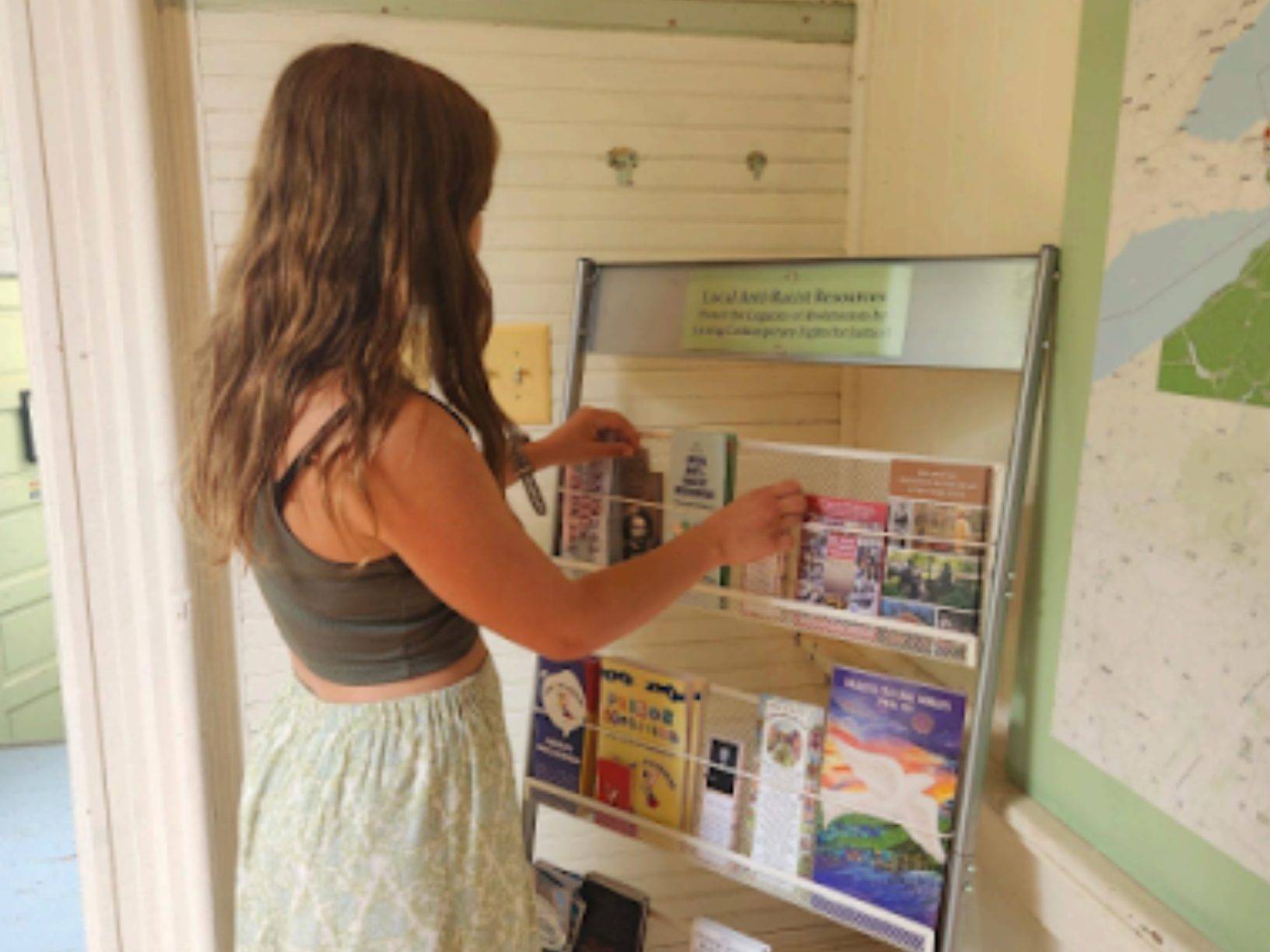
My first assignment was to create a comprehensive guide to anti-racist resources, organizations, and museums both locally and regionally through interviews, site visits, and secondary research. In addition to documenting these resources, I was tasked with forging partnerships between NAHOF and these organizations to help NAHOF expand their local network. This research culminated in several deliverables for the museum. I created an anti-racist resource center in the entryway, a brochure that has been disseminated to hundreds of prospective visitors and museum guests, and a Geographic Information Systems map that displays our regional abolition allies. My second assignment was to create an interactive curriculum that educated middle school students on how the legacies of slavery impact modern social justice issues. This programming will help NAHOF increase its revenue and youth outreach. My last project was to create an outline for collaboration between NAHOF and Colgate’s CORE Conversations department. This will hopefully help facilitate a long-term educational partnership between the university and the museum. Furthermore, it will help connect Colgate students to the immense local history that surrounds them, thereby facilitating community engagement.
As a hopeful human rights lawyer with majors in Peace and Conflict Studies and geography, I am honored that my work this summer contributed to broader efforts to end systemic racism and educate the public on the ongoing legacies of slavery. NAHOF’s mission resonates deeply with my passions, career aspirations, and morals and I am so grateful I had the opportunity to work with them.